Skip to content
GenoLensGenoLens

ABCC6

Chr 16p13.11

ATP binding cassette subfamily C member 6

Aliases:
MRP6, EST349056, MLP1, URG7
MANE:
ENST00000205557.12

Annotations refreshed 1 month ago.

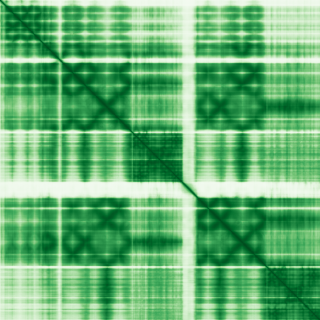
Predicted protein structure

Clinical relevance (Genomics England PanelApp)

Diagnostic Grade (Green)

  • DDG2P

    BIALLELIC, autosomal or pseudoautosomal
  • Familial cerebral small vessel disease

    BOTH monoallelic and biallelic, autosomal or pseudoautosomal
  • Fetal anomalies

    BIALLELIC, autosomal or pseudoautosomal
  • Generalised arterial calcification in infancy

    BIALLELIC, autosomal or pseudoautosomal
  • Pseudoxanthoma elasticum

    BIALLELIC, autosomal or pseudoautosomal
  • Retinal disorders

    BIALLELIC, autosomal or pseudoautosomal
  • Rare genetic inflammatory skin disorders

    BOTH monoallelic and biallelic, autosomal or pseudoautosomal
  • Cerebral vascular malformations

    Unknown

+4 more panels — install the extension to see the full list inline on any page.

Disease associations (Open Targets)

  • Pseudoxanthoma elasticum

    0.87
  • arterial calcification, generalized, of infancy, 2

    0.81
  • Generalized arterial calcification of infancy

    0.77
  • autosomal recessive inherited pseudoxanthoma elasticum

    0.75
  • pseudoxanthoma elasticum (inherited or acquired)

    0.62
  • Retinal dystrophy

    0.50
  • inherited pseudoxanthoma elasticum

    0.46
  • hereditary disease

    0.42
  • Abnormality of the eye

    0.40
  • nephrolithiasis

    0.40

Score is the Open Targets composite evidence score (0-1). Higher = stronger gene-disease association.

Protein function (UniProt)

ATP-binding cassette sub-family C member 6

ATP-dependent transporter of the ATP-binding cassette (ABC) family that actively extrudes physiological compounds, and xenobiotics from cells. Mediates ATP-dependent transport of glutathione conjugates such as leukotriene-c4 (LTC4) and N-ethylmaleimide S-glutathione (NEM-GS) (in vitro), and an anionic cyclopentapeptide endothelin antagonist, BQ-123 (PubMed:11880368, PubMed:12414644). May contribute to regulate the transport of organic compounds in testes across the blood-testis-barrier (Probable). Does not appear to actively transport drugs outside the cell. Confers low levels of cellular resistance to etoposide, teniposide, anthracyclines and cisplatin (PubMed:12414644)

Data sources: HGNC (CC BY 4.0), AlphaFold (CC BY 4.0, Jumper et al. Nature 2021), Genomics England PanelApp (CC BY 4.0), ClinGen, Open Targets (CC0), UniProt.

Not for sole clinical decision-making. Always verify against primary sources.