Skip to content
GenoLensGenoLens

ABCC9

Chr 12p12.1

ATP binding cassette subfamily C member 9

Aliases:
SUR2, CMD1O
MANE:
ENST00000261200.9

Annotations refreshed 1 month ago.

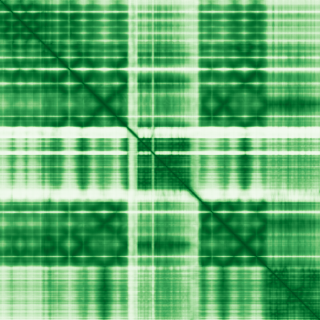
Predicted protein structure

Clinical relevance (Genomics England PanelApp)

Diagnostic Grade (Green)

  • DDG2P

    BOTH monoallelic and biallelic, autosomal or pseudoautosomal
  • Dilated Cardiomyopathy and conduction defects

    MONOALLELIC, autosomal or pseudoautosomal, NOT imprinted
  • Fetal anomalies

    MONOALLELIC, autosomal or pseudoautosomal, imprinted status unknown
  • Intellectual disability

    BIALLELIC, autosomal or pseudoautosomal
  • Paediatric or syndromic cardiomyopathy

    MONOALLELIC, autosomal or pseudoautosomal, NOT imprinted
  • Skeletal dysplasia

    MONOALLELIC, autosomal or pseudoautosomal, imprinted status unknown
  • Brugada syndrome and cardiac sodium channel disease

    MONOALLELIC, autosomal or pseudoautosomal, NOT imprinted
  • Dilated and arrhythmogenic cardiomyopathy

    MONOALLELIC, autosomal or pseudoautosomal, NOT imprinted

+6 more panels — install the extension to see the full list inline on any page.

Disease associations (Open Targets)

  • Hypertrichotic osteochondrodysplasia, Cantu type

    0.77
  • hypertrichotic osteochondrodysplasia Cantu type

    0.77
  • dilated cardiomyopathy 1O

    0.74
  • intellectual disability and myopathy syndrome

    0.65
  • atrial fibrillation, familial, 12

    0.63
  • familial isolated dilated cardiomyopathy

    0.56
  • hypertensive disorder

    0.53
  • Abnormality of the skeletal system

    0.52
  • Abnormality of the cardiovascular system

    0.47
  • autosomal dominant dilated cardiomyopathy

    0.46

Score is the Open Targets composite evidence score (0-1). Higher = stronger gene-disease association.

Protein function (UniProt)

ATP-binding cassette sub-family C member 9

Subunit of ATP-sensitive potassium channels (KATP). Can form cardiac and smooth muscle-type KATP channels with KCNJ11. KCNJ11 forms the channel pore while ABCC9 is required for activation and regulation (PubMed:9831708). Can form a sulfonylurea-sensitive but ATP-insensitive potassium channel with KCNJ8 (By similarity)

Data sources: HGNC (CC BY 4.0), AlphaFold (CC BY 4.0, Jumper et al. Nature 2021), Genomics England PanelApp (CC BY 4.0), ClinGen, Open Targets (CC0), UniProt.

Not for sole clinical decision-making. Always verify against primary sources.