
AlphaFold predicted structure
ACADS · P16219
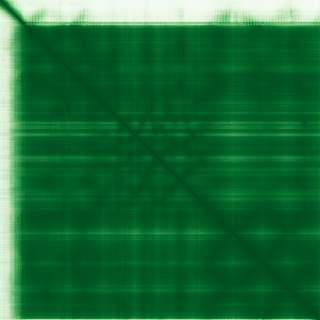
Mean pLDDT
93.6/ 100
Very high
412 residues
Confidence breakdown
- Very high(≥ 90)92%
- Confident(70–90)1%
- Low(50–70)1%
- Very low(< 50)7%
Open interactive 3D viewer
AlphaFold (Jumper et al., 2021) · CC BY 4.0
acyl-CoA dehydrogenase short chain
Annotations refreshed 2 months ago.
Diagnostic Grade (Green)
DDG2P
BIALLELIC, autosomal or pseudoautosomalIntellectual disability
BIALLELIC, autosomal or pseudoautosomalLikely inborn error of metabolism
BIALLELIC, autosomal or pseudoautosomalUndiagnosed metabolic disorders
BIALLELIC, autosomal or pseudoautosomalArthrogryposis
Childhood onset dystonia, chorea or related movement disorder
Fetal anomalies
BIALLELIC, autosomal or pseudoautosomalHyperammonaemia
BIALLELIC, autosomal or pseudoautosomal+2 more panels — install the extension to see the full list inline on any page.
short chain acyl-CoA dehydrogenase deficiency
hereditary disease
type 2 diabetes mellitus
substance-related disorder
diabetes mellitus
schizophrenia
hepatocellular carcinoma
neoplasm
hyperlipoproteinemia type V
Hyperlipoproteinemia type 5
Score is the Open Targets composite evidence score (0-1). Higher = stronger gene-disease association.
Short-chain specific acyl-CoA dehydrogenase, mitochondrial
Short-chain specific acyl-CoA dehydrogenase is one of the acyl-CoA dehydrogenases that catalyze the first step of mitochondrial fatty acid beta-oxidation, an aerobic process breaking down fatty acids into acetyl-CoA and allowing the production of energy from fats (By similarity). The first step of fatty acid beta-oxidation consists in the removal of one hydrogen from C-2 and C-3 of the straight-chain fatty acyl-CoA thioester, resulting in the formation of trans-2-enoyl-CoA (By similarity). Among the different mitochondrial acyl-CoA dehydrogenases, short-chain specific acyl-CoA dehydrogenase acts specifically on acyl-CoAs with saturated 4 to 6 carbons long primary chains (PubMed:11134486, PubMed:21237683)
ACADS · P16219
Mean pLDDT
93.6/ 100
Very high
412 residues
Confidence breakdown
AlphaFold (Jumper et al., 2021) · CC BY 4.0