Skip to content
GenoLensGenoLens

ACVR2B

Chr 3p22.2

activin A receptor type 2B

Aliases:
ActR-IIB
MANE:
ENST00000352511.5

Annotations refreshed 1 month ago.

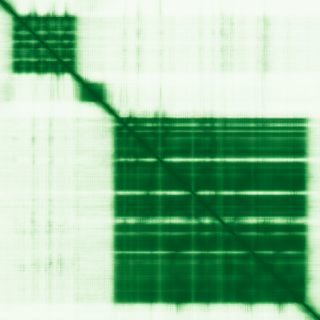
Predicted protein structure

Clinical relevance (Genomics England PanelApp)

Diagnostic Grade (Green)

  • Familial non syndromic congenital heart disease

    MONOALLELIC, autosomal or pseudoautosomal, imprinted status unknown
  • Paediatric disorders - additional genes

    MONOALLELIC, autosomal or pseudoautosomal, imprinted status unknown
  • Laterality disorders and isomerism

    MONOALLELIC, autosomal or pseudoautosomal, imprinted status unknown
  • DDG2P

    MONOALLELIC, autosomal or pseudoautosomal, imprinted status unknown
  • Fetal anomalies

    MONOALLELIC, autosomal or pseudoautosomal, NOT imprinted
  • Primary ciliary disorders

  • Rare multisystem ciliopathy disorders

    MONOALLELIC, autosomal or pseudoautosomal, imprinted status unknown
  • Skeletal dysplasia

    Unknown

+1 more panels — install the extension to see the full list inline on any page.

Disease associations (Open Targets)

  • Heterotaxia

    0.73
  • visceral heterotaxy

    0.47
  • bone disorder

    0.37
  • spinal fusion

    0.37
  • inclusion body myositis

    0.36
  • Abnormality of the skeletal system

    0.35
  • autoimmune disorder of central nervous system

    0.35
  • neurodegenerative disease

    0.33
  • disorder of pilosebaceous unit

    0.29
  • multiple sclerosis

    0.29

Score is the Open Targets composite evidence score (0-1). Higher = stronger gene-disease association.

Protein function (UniProt)

Activin receptor type-2B

Transmembrane serine/threonine kinase activin type-2 receptor forming an activin receptor complex with activin type-1 serine/threonine kinase receptors (ACVR1, ACVR1B or ACVR1c). Transduces the activin signal from the cell surface to the cytoplasm and is thus regulating many physiological and pathological processes including neuronal differentiation and neuronal survival, hair follicle development and cycling, FSH production by the pituitary gland, wound healing, extracellular matrix production, immunosuppression and carcinogenesis. Activin is also thought to have a paracrine or autocrine role in follicular development in the ovary. Within the receptor complex, the type-2 receptors act as a primary activin receptors (binds activin-A/INHBA, activin-B/INHBB as well as inhibin-A/INHA-INHBA). The type-1 receptors like ACVR1B act as downstream transducers of activin signals. Activin binds to type-2 receptor at the plasma membrane and activates its serine-threonine kinase. The activated receptor type-2 then phosphorylates and activates the type-1 receptor. Once activated, the type-1 receptor binds and phosphorylates the SMAD proteins SMAD2 and SMAD3, on serine residues of the C-terminal tail. Soon after their association with the activin receptor and subsequent phosphorylation, SMAD2 and SMAD3 are released into the cytoplasm where they interact with the common partner SMAD4. This SMAD complex translocates into the nucleus where it mediates activin-induced transcription. Inhibitory SMAD7, which is recruited to ACVR1B through FKBP1A, can prevent the association of SMAD2 and SMAD3 with the activin receptor complex, thereby blocking the activin signal. Activin signal transduction is also antagonized by the binding to the receptor of inhibin-B via the IGSF1 inhibin coreceptor

Data sources: HGNC (CC BY 4.0), AlphaFold (CC BY 4.0, Jumper et al. Nature 2021), Genomics England PanelApp (CC BY 4.0), ClinGen, Open Targets (CC0), UniProt.

Not for sole clinical decision-making. Always verify against primary sources.