Skip to content
GenoLensGenoLens

ACVRL1

Chr 12q13.13

activin A receptor like type 1

Aliases:
HHT2, ALK1, HHT
MANE:
ENST00000388922.9

Annotations refreshed 10 hours ago.

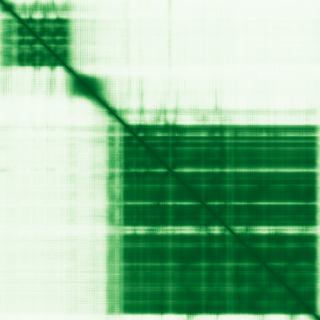
Predicted protein structure

Clinical relevance (Genomics England PanelApp)

Diagnostic Grade (Green)

  • Bleeding and platelet disorders

    MONOALLELIC, autosomal or pseudoautosomal, NOT imprinted
  • Cerebral vascular malformations

    MONOALLELIC, autosomal or pseudoautosomal, NOT imprinted
  • Fetal anomalies

    MONOALLELIC, autosomal or pseudoautosomal, NOT imprinted
  • Hereditary haemorrhagic telangiectasia

    MONOALLELIC, autosomal or pseudoautosomal, NOT imprinted
  • Inherited bleeding disorders

    MONOALLELIC, autosomal or pseudoautosomal, NOT imprinted
  • Pulmonary arterial hypertension

    MONOALLELIC, autosomal or pseudoautosomal, imprinted status unknown
  • Vascular skin disorders

    MONOALLELIC, autosomal or pseudoautosomal, NOT imprinted
  • Familial pulmonary fibrosis

+1 more panels — install the extension to see the full list inline on any page.

Disease associations (Open Targets)

  • hereditary hemorrhagic telangiectasia

    0.83
  • telangiectasia, hereditary hemorrhagic, type 2

    0.79
  • pulmonary arterial hypertension

    0.61
  • vascular disorder

    0.59
  • capillary disorder

    0.56
  • Abnormality of the cardiovascular system

    0.56
  • capillary malformation

    0.55
  • pulmonary hypertension, primary, 1

    0.53
  • heritable pulmonary arterial hypertension

    0.50
  • epistaxis

    0.49

Score is the Open Targets composite evidence score (0-1). Higher = stronger gene-disease association.

Protein function (UniProt)

Activin receptor type-1-like

Type I receptor for TGF-beta family ligands BMP9/GDF2 and BMP10 and important regulator of normal blood vessel development. On ligand binding, forms a receptor complex consisting of two type II and two type I transmembrane serine/threonine kinases. Type II receptors phosphorylate and activate type I receptors which autophosphorylate, then bind and activate SMAD transcriptional regulators. May bind activin as well

Data sources: HGNC (CC BY 4.0), AlphaFold (CC BY 4.0, Jumper et al. Nature 2021), Genomics England PanelApp (CC BY 4.0), ClinGen, Open Targets (CC0), UniProt.

Not for sole clinical decision-making. Always verify against primary sources.