Skip to content
GenoLensGenoLens

ADCY6

Chr 12q13.12

adenylate cyclase 6

Aliases:
AC6
MANE:
ENST00000357869.8

Annotations refreshed 9 hours ago.

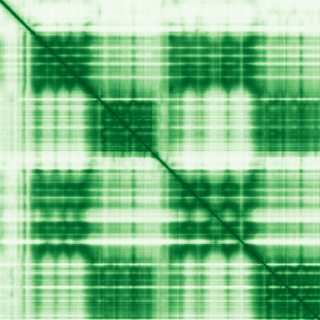
Predicted protein structure

Clinical relevance (Genomics England PanelApp)

Diagnostic Grade (Green)

  • Arthrogryposis

    BIALLELIC, autosomal or pseudoautosomal
  • Fetal anomalies

    BIALLELIC, autosomal or pseudoautosomal
  • Hereditary neuropathy or pain disorder

    BIALLELIC, autosomal or pseudoautosomal

Disease associations (Open Targets)

  • Hypomyelination neuropathy - arthrogryposis

    0.72
  • hypomyelination neuropathy-arthrogryposis syndrome

    0.37
  • diabetic ketoacidosis

    0.20
  • hereditary disease

    0.19
  • benign chondrogenic neoplasm

    0.17
  • familial idiopathic steroid-resistant nephrotic syndrome

    0.09
  • focal segmental glomerulosclerosis

    0.09
  • nephrotic syndrome

    0.08
  • nephronophthisis

    0.08
  • breast cancer

    0.08

Score is the Open Targets composite evidence score (0-1). Higher = stronger gene-disease association.

Protein function (UniProt)

Adenylate cyclase type 6

Catalyzes the formation of the signaling molecule cAMP downstream of G protein-coupled receptors (PubMed:17110384, PubMed:17916776). Functions in signaling cascades downstream of beta-adrenergic receptors in the heart and in vascular smooth muscle cells (PubMed:17916776). Functions in signaling cascades downstream of the vasopressin receptor in the kidney and has a role in renal water reabsorption. Functions in signaling cascades downstream of PTH1R and plays a role in regulating renal phosphate excretion. Functions in signaling cascades downstream of the VIP and SCT receptors in pancreas and contributes to the regulation of pancreatic amylase and fluid secretion (By similarity). Signaling mediates cAMP-dependent activation of protein kinase PKA. This promotes increased phosphorylation of various proteins, including AKT. Plays a role in regulating cardiac sarcoplasmic reticulum Ca(2+) uptake and storage, and is required for normal heart ventricular contractibility. May contribute to normal heart function (By similarity). Mediates vasodilatation after activation of beta-adrenergic receptors by isoproterenol (PubMed:17916776). Contributes to bone cell responses to mechanical stimuli (By similarity)

Data sources: HGNC (CC BY 4.0), AlphaFold (CC BY 4.0, Jumper et al. Nature 2021), Genomics England PanelApp (CC BY 4.0), ClinGen, Open Targets (CC0), UniProt.

Not for sole clinical decision-making. Always verify against primary sources.