
AlphaFold predicted structure
ADH5 · P11766
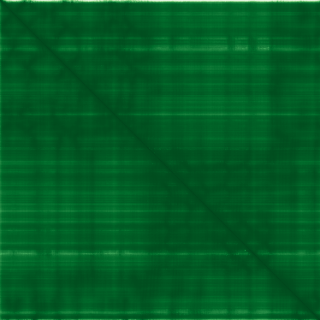
Mean pLDDT
98.1/ 100
Very high
374 residues
Confidence breakdown
- Very high(≥ 90)99%
- Confident(70–90)1%
- Low(50–70)0%
- Very low(< 50)0%
Open interactive 3D viewer
AlphaFold (Jumper et al., 2021) · CC BY 4.0
alcohol dehydrogenase 5 (class III), chi polypeptide
Annotations refreshed 3 months ago.
Moderate Evidence (Amber)
Rare anaemia
BIALLELIC, autosomal or pseudoautosomalAMED syndrome, digenic
Alzheimer disease
gout
autoimmune disorder of central nervous system
aplastic anemia
microcephaly
Intellectual disability
ischemic stroke
coronary artery disorder
asthma
Score is the Open Targets composite evidence score (0-1). Higher = stronger gene-disease association.
Alcohol dehydrogenase class-3
Catalyzes the oxidation of long-chain primary alcohols and the oxidation of S-(hydroxymethyl) glutathione (PubMed:8460164). Also oxidizes long chain omega-hydroxy fatty acids, such as 20-HETE, producing both the intermediate aldehyde, 20-oxoarachidonate and the end product, a dicarboxylic acid, (5Z,8Z,11Z,14Z)-eicosatetraenedioate (PubMed:16081420). Class-III ADH is remarkably ineffective in oxidizing ethanol (PubMed:8460164). Required for clearance of cellular formaldehyde, a cytotoxic and carcinogenic metabolite that induces DNA damage (PubMed:33355142). Also acts as a S-nitroso-glutathione reductase by catalyzing the NADH-dependent reduction of S-nitrosoglutathione, thereby regulating protein S-nitrosylation (By similarity)
ADH5 · P11766
Mean pLDDT
98.1/ 100
Very high
374 residues
Confidence breakdown
AlphaFold (Jumper et al., 2021) · CC BY 4.0