AlphaFold predicted structure
ALDH4A1 · P30038
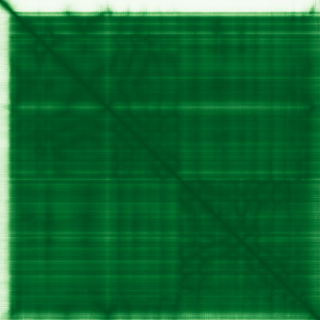
Mean pLDDT
96.2/ 100
Very high
563 residues
Confidence breakdown
- Very high(≥ 90)95%
- Confident(70–90)1%
- Low(50–70)1%
- Very low(< 50)3%
AlphaFold (Jumper et al., 2021) · CC BY 4.0
aldehyde dehydrogenase 4 family member A1
Annotations refreshed 10 hours ago.
Diagnostic Grade (Green)
DDG2P
BIALLELIC, autosomal or pseudoautosomalIntellectual disability
BIALLELIC, autosomal or pseudoautosomalLikely inborn error of metabolism
BIALLELIC, autosomal or pseudoautosomalUndiagnosed metabolic disorders
BIALLELIC, autosomal or pseudoautosomalChildhood onset dystonia, chorea or related movement disorder
Fetal anomalies
BIALLELIC, autosomal or pseudoautosomalhyperprolinemia type 2
Intellectual disability
hyperprolinemia
spermatocele
Seizure
alcohol drinking
MHC class II deficiency
Immunodeficiency by defective expression of HLA class 2
urolithiasis
hypothyroidism
Score is the Open Targets composite evidence score (0-1). Higher = stronger gene-disease association.
Delta-1-pyrroline-5-carboxylate dehydrogenase, mitochondrial
Irreversible conversion of delta-1-pyrroline-5-carboxylate (P5C), derived either from proline or ornithine, to glutamate. This is a necessary step in the pathway interconnecting the urea and tricarboxylic acid cycles. The preferred substrate is glutamic gamma-semialdehyde, other substrates include succinic, glutaric and adipic semialdehydes
ALDH4A1 · P30038

Mean pLDDT
96.2/ 100
Very high
563 residues
Confidence breakdown
AlphaFold (Jumper et al., 2021) · CC BY 4.0