
AlphaFold predicted structure
ALDOB · P05062
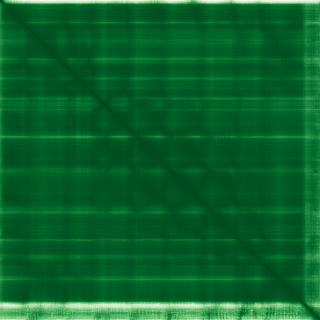
Mean pLDDT
96.0/ 100
Very high
364 residues
Confidence breakdown
- Very high(≥ 90)93%
- Confident(70–90)4%
- Low(50–70)3%
- Very low(< 50)0%
Open interactive 3D viewer
AlphaFold (Jumper et al., 2021) · CC BY 4.0
aldolase, fructose-bisphosphate B
Annotations refreshed 2 months ago.
Diagnostic Grade (Green)
Cholestasis
BIALLELIC, autosomal or pseudoautosomalGlycogen storage disease
BIALLELIC, autosomal or pseudoautosomalKetotic hypoglycaemia
BIALLELIC, autosomal or pseudoautosomalLikely inborn error of metabolism
BIALLELIC, autosomal or pseudoautosomalNeonatal cholestasis
BIALLELIC, autosomal or pseudoautosomalUndiagnosed metabolic disorders
BIALLELIC, autosomal or pseudoautosomalChildhood onset dystonia, chorea or related movement disorder
Fetal anomalies
BIALLELIC, autosomal or pseudoautosomal+2 more panels — install the extension to see the full list inline on any page.
hereditary fructose intolerance
hereditary disease
acute liver failure
disorder of glycogen metabolism
carbohydrate metabolism disease
hepatocellular carcinoma
neoplasm
Genu valgum
Genu varum
nonpapillary renal cell carcinoma
Score is the Open Targets composite evidence score (0-1). Higher = stronger gene-disease association.
Fructose-bisphosphate aldolase B
Catalyzes the aldol cleavage of fructose 1,6-biphosphate to form two triosephosphates dihydroxyacetone phosphate and D-glyceraldehyde 3-phosphate in glycolysis as well as the reverse stereospecific aldol addition reaction in gluconeogenesis. In fructolysis, metabolizes fructose 1-phosphate derived from the phosphorylation of dietary fructose by fructokinase into dihydroxyacetone phosphate and D-glyceraldehyde (PubMed:10970798, PubMed:12205126, PubMed:20848650). Acts as an adapter independently of its enzymatic activity, exerts a tumor suppressor role by stabilizing the ternary complex with G6PD and TP53 to inhibit G6PD activity and keep oxidative pentose phosphate metabolism in check (PubMed:35122041)
ALDOB · P05062
Mean pLDDT
96.0/ 100
Very high
364 residues
Confidence breakdown
AlphaFold (Jumper et al., 2021) · CC BY 4.0