
AlphaFold predicted structure
ALPL · P05186
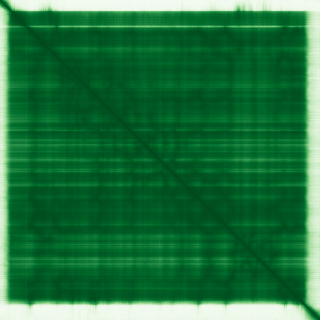
Mean pLDDT
93.3/ 100
Very high
524 residues
Confidence breakdown
- Very high(≥ 90)90%
- Confident(70–90)2%
- Low(50–70)2%
- Very low(< 50)6%
Open interactive 3D viewer
AlphaFold (Jumper et al., 2021) · CC BY 4.0
alkaline phosphatase, biomineralization associated
Annotations refreshed 2 months ago.
Diagnostic Grade (Green)
DDG2P
BIALLELIC, autosomal or pseudoautosomalEarly onset or syndromic epilepsy
BIALLELIC, autosomal or pseudoautosomalFetal anomalies
BOTH monoallelic and biallelic, autosomal or pseudoautosomalHypophosphataemia or rickets
BIALLELIC, autosomal or pseudoautosomalLikely inborn error of metabolism
BOTH monoallelic and biallelic (but BIALLELIC mutations cause a more SEVERE disease form), autosomal or pseudoautosomalOsteogenesis imperfecta
BOTH monoallelic and biallelic (but BIALLELIC mutations cause a more SEVERE disease form), autosomal or pseudoautosomalRare syndromic craniosynostosis or isolated multisuture synostosis
BOTH monoallelic and biallelic (but BIALLELIC mutations cause a more SEVERE disease form), autosomal or pseudoautosomalSkeletal dysplasia
BOTH monoallelic and biallelic (but BIALLELIC mutations cause a more SEVERE disease form), autosomal or pseudoautosomal+4 more panels — install the extension to see the full list inline on any page.
hypophosphatasia
infantile hypophosphatasia
adult hypophosphatasia
odontohypophosphatasia
childhood hypophosphatasia
osteogenesis imperfecta
hereditary disease
ALPL-related autosomal recessive hypophosphatasia
perinatal lethal hypophosphatasia
nephrolithiasis
Score is the Open Targets composite evidence score (0-1). Higher = stronger gene-disease association.
Alkaline phosphatase, tissue-nonspecific isozyme
Alkaline phosphatase that metabolizes various phosphate compounds and plays a key role in skeletal mineralization and adaptive thermogenesis (PubMed:12162492, PubMed:23688511, PubMed:25982064). Has broad substrate specificity and can hydrolyze a considerable variety of compounds: however, only a few substrates, such as diphosphate (inorganic pyrophosphate; PPi), pyridoxal 5'-phosphate (PLP) and N-phosphocreatine are natural substrates (PubMed:12162492, PubMed:2220817). Plays an essential role in skeletal and dental mineralization via its ability to hydrolyze extracellular diphosphate, a potent mineralization inhibitor, to phosphate: it thereby promotes hydroxyapatite crystal formation and increases inorganic phosphate concentration (PubMed:23688511, PubMed:25982064). Acts in a non-redundant manner with PHOSPHO1 in skeletal mineralization: while PHOSPHO1 mediates the initiation of hydroxyapatite crystallization in the matrix vesicles (MVs), ALPL/TNAP catalyzes the spread of hydroxyapatite crystallization in the extracellular matrix (By similarity). Also promotes dephosphorylation of osteopontin (SSP1), an inhibitor of hydroxyapatite crystallization in its phosphorylated state; it is however unclear whether ALPL/TNAP mediates SSP1 dephosphorylation via a direct or indirect manner (By similarity). Catalyzes dephosphorylation of PLP to pyridoxal (PL), the transportable form of vitamin B6, in order to provide a sufficient amount of PLP in the brain, an essential cofactor for enzymes catalyzing the synthesis of diverse neurotransmitters (PubMed:20049532, PubMed:2220817). Additionally, also able to mediate ATP degradation in a stepwise manner to adenosine, thereby regulating the availability of ligands for purinergic receptors (By similarity). Also capable of dephosphorylating microbial products, such as lipopolysaccharides (LPS) as well as other phosphorylated small-molecules, such as poly-inosine:cytosine (poly I:C) (PubMed:28448526). Acts as a key regulator of adaptive thermogenesis as part of the futile creatine cycle: localizes to the mitochondria of thermogenic fat cells and acts by mediating hydrolysis of N-phosphocreatine to initiate a futile cycle of creatine dephosphorylation and phosphorylation (By similarity). During the futile creatine cycle, creatine and N-phosphocreatine are in a futile cycle, which dissipates the high energy charge of N-phosphocreatine as heat without performing any mechanical or chemical work (By similarity)
Curated MONDO disease pages that list ALPL among their top associated genes.
ALPL · P05186
Mean pLDDT
93.3/ 100
Very high
524 residues
Confidence breakdown
AlphaFold (Jumper et al., 2021) · CC BY 4.0