
AlphaFold predicted structure
ALX1 · Q15699
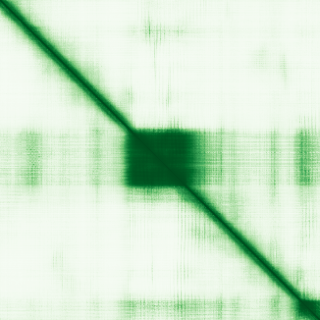
Mean pLDDT
60.3/ 100
Low
326 residues
Confidence breakdown
- Very high(≥ 90)18%
- Confident(70–90)7%
- Low(50–70)34%
- Very low(< 50)41%
Open interactive 3D viewer
AlphaFold (Jumper et al., 2021) · CC BY 4.0
ALX homeobox 1
Annotations refreshed 2 months ago.
Diagnostic Grade (Green)
Clefting
BIALLELIC, autosomal or pseudoautosomalDDG2P
BIALLELIC, autosomal or pseudoautosomalFetal anomalies
BIALLELIC, autosomal or pseudoautosomalSkeletal dysplasia
BIALLELIC, autosomal or pseudoautosomalStructural eye disease
BIALLELIC, autosomal or pseudoautosomalIntellectual disability
BIALLELIC, autosomal or pseudoautosomalRare syndromic craniosynostosis or isolated multisuture synostosis
frontonasal dysplasia - severe microphthalmia - severe facial clefting syndrome
Frontonasal dysplasia-severe microphthalmia-severe facial clefting syndrome
frontorhiny
frontonasal dysplasia
hair color
facial morphology
bone remodeling disease
cardiomyopathy
urolithiasis
alcohol drinking
Score is the Open Targets composite evidence score (0-1). Higher = stronger gene-disease association.
ALX homeobox protein 1
Sequence-specific DNA-binding transcription factor that binds palindromic sequences within promoters and may activate or repress the transcription of a subset of genes (PubMed:8756334, PubMed:9753625). Most probably regulates the expression of genes involved in the development of mesenchyme-derived craniofacial structures. Early on in development, it plays a role in forebrain mesenchyme survival (PubMed:20451171). May also induce epithelial to mesenchymal transition (EMT) through the expression of SNAI1 (PubMed:23288509)
ALX1 · Q15699
Mean pLDDT
60.3/ 100
Low
326 residues
Confidence breakdown
AlphaFold (Jumper et al., 2021) · CC BY 4.0