
AlphaFold predicted structure
AMN · Q9BXJ7
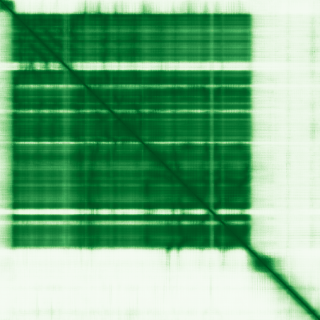
Mean pLDDT
80.5/ 100
Confident
453 residues
Confidence breakdown
- Very high(≥ 90)60%
- Confident(70–90)14%
- Low(50–70)10%
- Very low(< 50)17%
Open interactive 3D viewer
AlphaFold (Jumper et al., 2021) · CC BY 4.0
amnion associated transmembrane protein
Annotations refreshed 2 months ago.
Diagnostic Grade (Green)
Cytopenias and congenital anaemias
BIALLELIC, autosomal or pseudoautosomalLikely inborn error of metabolism
BIALLELIC, autosomal or pseudoautosomalProteinuric renal disease
BIALLELIC, autosomal or pseudoautosomalRare anaemia
BIALLELIC, autosomal or pseudoautosomalUndiagnosed metabolic disorders
BIALLELIC, autosomal or pseudoautosomalUnexplained kidney failure in young people
BIALLELIC, autosomal or pseudoautosomalChildhood onset dystonia, chorea or related movement disorder
Retinal disorders
BIALLELIC, autosomal or pseudoautosomalGräsbeck-Imerslund disease
Imerslund-Grasbeck syndrome type 2
Imerslund-Grasbeck syndrome
neurodegenerative disease
megaloblastic anemia
Decreased circulating vitamin B12 concentration
suicidal ideation
suicide behaviour
stroke disorder
alcohol drinking
Score is the Open Targets composite evidence score (0-1). Higher = stronger gene-disease association.
Protein amnionless
Membrane-bound component of the endocytic receptor formed by AMN and CUBN (PubMed:14576052, PubMed:29402915, PubMed:30523278). Required for normal CUBN glycosylation and trafficking to the cell surface (PubMed:14576052, PubMed:29402915). The complex formed by AMN and CUBN is required for efficient absorption of vitamin B12 (PubMed:12590260, PubMed:14576052, PubMed:26040326). Required for normal CUBN-mediated protein transport in the kidney (Probable)
AMN · Q9BXJ7
Mean pLDDT
80.5/ 100
Confident
453 residues
Confidence breakdown
AlphaFold (Jumper et al., 2021) · CC BY 4.0