
AlphaFold predicted structure
ANKH · Q9HCJ1
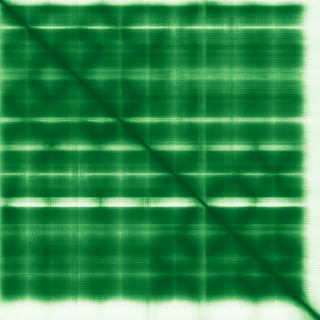
Mean pLDDT
84.4/ 100
Confident
492 residues
Confidence breakdown
- Very high(≥ 90)44%
- Confident(70–90)45%
- Low(50–70)5%
- Very low(< 50)6%
Open interactive 3D viewer
AlphaFold (Jumper et al., 2021) · CC BY 4.0
ANKH inorganic pyrophosphate transport regulator
Annotations refreshed 2 months ago.
Diagnostic Grade (Green)
DDG2P
MONOALLELIC, autosomal or pseudoautosomal, imprinted status unknownFetal anomalies
MONOALLELIC, autosomal or pseudoautosomal, imprinted status unknownOsteopetrosis
MONOALLELIC, autosomal or pseudoautosomal, imprinted status unknownSkeletal dysplasia
MONOALLELIC, autosomal or pseudoautosomal, NOT imprintedRare syndromic craniosynostosis or isolated multisuture synostosis
MONOALLELIC, autosomal or pseudoautosomal, imprinted status unknownIntellectual disability
MONOALLELIC, autosomal or pseudoautosomal, NOT imprintedOsteogenesis imperfecta
craniometaphyseal dysplasia
chondrocalcinosis 2
type 2 diabetes mellitus
diabetes mellitus
glaucoma
open-angle glaucoma
diabetic retinopathy
diabetic neuropathy
chondrocalcinosis
alcohol drinking
Score is the Open Targets composite evidence score (0-1). Higher = stronger gene-disease association.
Mineralization regulator ANKH
Transports adenosine triphosphate (ATP) and possibly other nucleoside triphosphates (NTPs) from cytosol to the extracellular space. Mainly regulates their levels locally in peripheral tissues while playing a minor systemic role. Prevents abnormal ectopic mineralization of the joints by regulating the extracellular levels of the calcification inhibitor inorganic pyrophosphate (PPi), which originates from the conversion of extracellular NTPs to NMPs and PPis by ENPP1 (PubMed:20943778, PubMed:32639996, PubMed:35147247). Regulates the release of the TCA cycle intermediates to the extracellular space, in particular citrate, succinate and malate. Extracellular citrate mostly present in bone tissue is required for osteogenic differentiation of mesenchymal stem cells, stabilization of hydroxyapatite structure and overall bone strength (PubMed:32639996). The transport mechanism remains to be elucidated (Probable)
ANKH · Q9HCJ1
Mean pLDDT
84.4/ 100
Confident
492 residues
Confidence breakdown
AlphaFold (Jumper et al., 2021) · CC BY 4.0