Skip to content
GenoLensGenoLens

ANO1

Chr 11q13.3

anoctamin 1

Aliases:
TAOS2, FLJ10261, DOG1
MANE:
ENST00000355303.10

Annotations refreshed 10 hours ago.

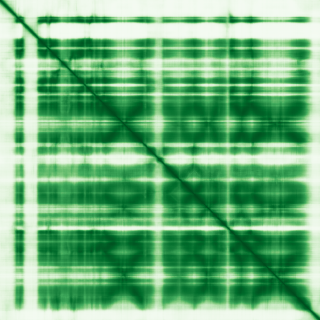
Predicted protein structure

Clinical relevance (Genomics England PanelApp)

Diagnostic Grade (Green)

  • Cerebral vascular malformations

    BOTH monoallelic and biallelic, autosomal or pseudoautosomal
  • Gastrointestinal epithelial barrier disorders

    BIALLELIC, autosomal or pseudoautosomal
  • Infantile enterocolitis & monogenic inflammatory bowel disease

    BIALLELIC, autosomal or pseudoautosomal
  • Intestinal failure or congenital diarrhoea

    BIALLELIC, autosomal or pseudoautosomal
  • DDG2P

    BIALLELIC, autosomal or pseudoautosomal

Disease associations (Open Targets)

  • moyamoya disease 7

    0.58
  • Diarrhea

    0.54
  • Abnormality of the skeletal system

    0.48
  • colorectal cancer

    0.40
  • thrombophilia

    0.38
  • diverticular disease

    0.38
  • COVID-19

    0.37
  • intestinal dysmotility syndrome

    0.34
  • cholelithiasis

    0.33
  • hypertensive disorder

    0.33

Score is the Open Targets composite evidence score (0-1). Higher = stronger gene-disease association.

Protein function (UniProt)

Anoctamin-1

Calcium-activated chloride channel (CaCC) (PubMed:20056604, PubMed:22178883, PubMed:22946059, PubMed:32487539). Plays a role in transepithelial anion transport and smooth muscle contraction. Required for the normal functioning of the interstitial cells of Cajal (ICCs) which generate electrical pacemaker activity in gastrointestinal smooth muscles. Acts as a major contributor to basal and stimulated chloride conductance in airway epithelial cells and plays an important role in tracheal cartilage development. Required for CFTR activation by enhancing endoplasmic reticulum Ca(2+) store release and is also required for CFTR membrane expression (PubMed:28963502). Required for basal and ATP-dependent mucus secretion in airways and intestine, probably by controlling exocytosis of mucus-filled granules by providing Ca(2+) to an apical signaling compartment (By similarity). Contributes to airway mucus expression induced by interleukins IL3 and IL8 and by the asthma-associated protein CLCA1 and is required for expression of mucin MUC5AC (PubMed:33026825). However, was shown in another study not to be required for MUC5AC expression (PubMed:31732694). Plays a role in the propagation of Ca(2+) waves in Kolliker's organ in the cochlea and contributes to the refinement of auditory brainstem circuitries prior to hearing onset (By similarity). In vomeronasal sensory neurons, modulates spontaneous firing patterns in the absence of stimuli as well as the firing pattern of pheromone-evoked activity (By similarity). Responsible for calcium-activated chloride channel activity in type I taste cells of the vallate papillae (By similarity). Acts as a heat sensor in nociceptive neurons (By similarity). In dorsal root ganglion neurons, plays a role in mediating non-histaminergic Mas-related G protein-coupled receptor (MRGPR)-dependent itching, acting as a downstream effector of MRGPRs (By similarity). In the developing brain, required for the Ca(2+)-dependent process extension of radial glial cells (By similarity)

Data sources: HGNC (CC BY 4.0), AlphaFold (CC BY 4.0, Jumper et al. Nature 2021), Genomics England PanelApp (CC BY 4.0), ClinGen, Open Targets (CC0), UniProt.

Not for sole clinical decision-making. Always verify against primary sources.