
AlphaFold predicted structure
ANO10 · Q9NW15
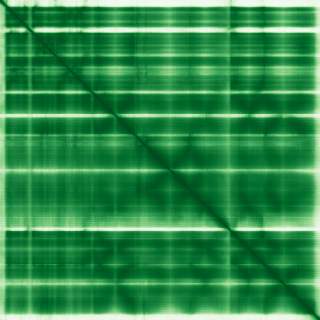
Mean pLDDT
86.1/ 100
Confident
660 residues
Confidence breakdown
- Very high(≥ 90)55%
- Confident(70–90)36%
- Low(50–70)5%
- Very low(< 50)4%
Open interactive 3D viewer
AlphaFold (Jumper et al., 2021) · CC BY 4.0
anoctamin 10
Annotations refreshed 2 months ago.
Diagnostic Grade (Green)
Ataxia and cerebellar anomalies - narrow panel
BIALLELIC, autosomal or pseudoautosomalHereditary ataxia
BIALLELIC, autosomal or pseudoautosomalHereditary ataxia with onset in adulthood
BIALLELIC, autosomal or pseudoautosomalLikely inborn error of metabolism
BIALLELIC, autosomal or pseudoautosomalUndiagnosed metabolic disorders
BIALLELIC, autosomal or pseudoautosomalChildhood onset dystonia, chorea or related movement disorder
BIALLELIC, autosomal or pseudoautosomalMitochondrial disorders
BIALLELIC, autosomal or pseudoautosomalPossible mitochondrial disorder - nuclear genes
BIALLELIC, autosomal or pseudoautosomal+2 more panels — install the extension to see the full list inline on any page.
autosomal recessive spinocerebellar ataxia 10
Adult-onset autosomal recessive cerebellar ataxia
Dorfman-Chanarin disease
attention deficit-hyperactivity disorder
COVID-19
autosomal recessive cerebellar ataxia
Abnormal central motor function
major depressive disorder
risk-taking behaviour
post-traumatic stress disorder
Score is the Open Targets composite evidence score (0-1). Higher = stronger gene-disease association.
Anoctamin-10
Does not exhibit calcium-activated chloride channel (CaCC) activity. Can inhibit the activity of ANO1
ANO10 · Q9NW15
Mean pLDDT
86.1/ 100
Confident
660 residues
Confidence breakdown
AlphaFold (Jumper et al., 2021) · CC BY 4.0