
AlphaFold predicted structure
AP1S1 · P61966
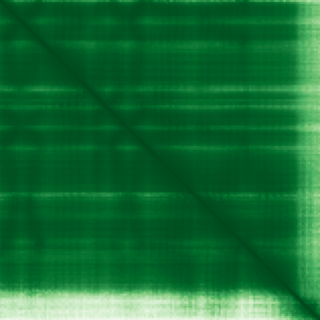
Mean pLDDT
94.6/ 100
Very high
158 residues
Confidence breakdown
- Very high(≥ 90)90%
- Confident(70–90)7%
- Low(50–70)3%
- Very low(< 50)0%
Open interactive 3D viewer
AlphaFold (Jumper et al., 2021) · CC BY 4.0
adaptor related protein complex 1 subunit sigma 1
Annotations refreshed 2 months ago.
Diagnostic Grade (Green)
Hereditary neuropathy or pain disorder
BIALLELIC, autosomal or pseudoautosomalIntellectual disability
BIALLELIC, autosomal or pseudoautosomalIntestinal failure or congenital diarrhoea
BIALLELIC, autosomal or pseudoautosomalMonogenic hearing loss
BIALLELIC, autosomal or pseudoautosomalPalmoplantar keratodermas
BIALLELIC, autosomal or pseudoautosomalVici Syndrome and other autophagy disorders
BIALLELIC, autosomal or pseudoautosomalHereditary neuropathy
BIALLELIC, autosomal or pseudoautosomalCholestasis
BIALLELIC, autosomal or pseudoautosomalMEDNIK syndrome
HIV infectious disease
neurodegenerative disease
hereditary disease
Abnormality of the skeletal system
smoking initiation
attention deficit-hyperactivity disorder
substance abuse
obesity disorder
cholelithiasis
Score is the Open Targets composite evidence score (0-1). Higher = stronger gene-disease association.
AP-1 complex subunit sigma-1A
Subunit of clathrin-associated adaptor protein complex 1 that plays a role in protein sorting in the late-Golgi/trans-Golgi network (TGN) and/or endosomes. The AP complexes mediate both the recruitment of clathrin to membranes and the recognition of sorting signals within the cytosolic tails of transmembrane cargo molecules
AP1S1 · P61966
Mean pLDDT
94.6/ 100
Very high
158 residues
Confidence breakdown
AlphaFold (Jumper et al., 2021) · CC BY 4.0