
AlphaFold predicted structure
AP4S1 · Q9Y587
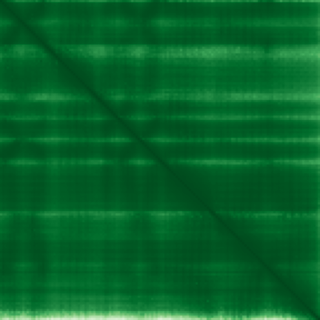
Mean pLDDT
94.6/ 100
Very high
144 residues
Confidence breakdown
- Very high(≥ 90)94%
- Confident(70–90)6%
- Low(50–70)1%
- Very low(< 50)0%
Open interactive 3D viewer
AlphaFold (Jumper et al., 2021) · CC BY 4.0
adaptor related protein complex 4 subunit sigma 1
Annotations refreshed 2 months ago.
Diagnostic Grade (Green)
Childhood onset hereditary spastic paraplegia
BIALLELIC, autosomal or pseudoautosomalDDG2P
BIALLELIC, autosomal or pseudoautosomalFetal anomalies
BIALLELIC, autosomal or pseudoautosomalHereditary spastic paraplegia
BIALLELIC, autosomal or pseudoautosomalIntellectual disability
BIALLELIC, autosomal or pseudoautosomalAdult onset hereditary spastic paraplegia
BIALLELIC, autosomal or pseudoautosomalSevere microcephaly
BIALLELIC, autosomal or pseudoautosomalAdult onset neurodegenerative disorder
BIALLELIC, autosomal or pseudoautosomalSevere intellectual disability and progressive spastic paraplegia
hereditary spastic paraplegia 52
Spastic paraplegia
hereditary disease
Global developmental delay
Seizure
Intellectual disability
neurodevelopmental disorder
AP-4 deficiency syndrome
spastic quadriplegic cerebral palsy
Score is the Open Targets composite evidence score (0-1). Higher = stronger gene-disease association.
AP-4 complex subunit sigma-1
Component of the adaptor protein complex 4 (AP-4). Adaptor protein complexes are vesicle coat components involved both in vesicle formation and cargo selection. They control the vesicular transport of proteins in different trafficking pathways (PubMed:10066790, PubMed:10436028). AP-4 forms a non clathrin-associated coat on vesicles departing the trans-Golgi network (TGN) and may be involved in the targeting of proteins from the trans-Golgi network (TGN) to the endosomal-lysosomal system. It is also involved in protein sorting to the basolateral membrane in epithelial cells and the proper asymmetric localization of somatodendritic proteins in neurons. AP-4 is involved in the recognition and binding of tyrosine-based sorting signals found in the cytoplasmic part of cargos, but may also recognize other types of sorting signal (Probable)
AP4S1 · Q9Y587
Mean pLDDT
94.6/ 100
Very high
144 residues
Confidence breakdown
AlphaFold (Jumper et al., 2021) · CC BY 4.0