
AlphaFold predicted structure
APOL1 · O14791
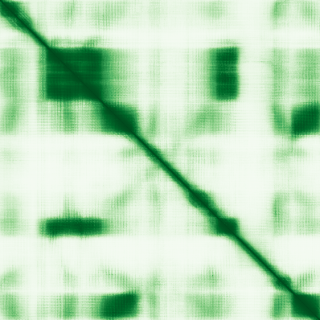
Mean pLDDT
51.9/ 100
Low
398 residues
Confidence breakdown
- Very high(≥ 90)2%
- Confident(70–90)22%
- Low(50–70)20%
- Very low(< 50)56%
Open interactive 3D viewer
AlphaFold (Jumper et al., 2021) · CC BY 4.0
apolipoprotein L1
Annotations refreshed 2 months ago.
Diagnostic Grade (Green)
COVID-19 research
MONOALLELIC, autosomal or pseudoautosomal, imprinted status unknownProteinuric renal disease
BIALLELIC, autosomal or pseudoautosomalPrimary immunodeficiency or monogenic inflammatory bowel disease
MONOALLELIC, autosomal or pseudoautosomal, imprinted status unknownUnexplained kidney failure in young people
focal segmental glomerulosclerosis
sporadic idiopathic steroid-resistant nephrotic syndrome
glomerulonephritis
chronic kidney disease
kidney disorder
Proteinuria
kidney failure
phosphorus metabolism disease
Nephrotic range proteinuria
secondary hyperparathyroidism of renal origin
Score is the Open Targets composite evidence score (0-1). Higher = stronger gene-disease association.
Apolipoprotein L1
May play a role in lipid exchange and transport throughout the body. May participate in reverse cholesterol transport from peripheral cells to the liver. A component of trypanosome lytic factor of human serum; plays a crucial role in killing Trypanosoma brucei by forming pores in parasite lysosomal membranes and sensitizing T.brucei to oxidation-stimulated osmotic lysis (PubMed:12621437, PubMed:16020735, PubMed:19997494, PubMed:26645690, PubMed:7723792)
Curated MONDO disease pages that list APOL1 among their top associated genes.
APOL1 · O14791
Mean pLDDT
51.9/ 100
Low
398 residues
Confidence breakdown
AlphaFold (Jumper et al., 2021) · CC BY 4.0