
AlphaFold predicted structure
AQP1 · P29972
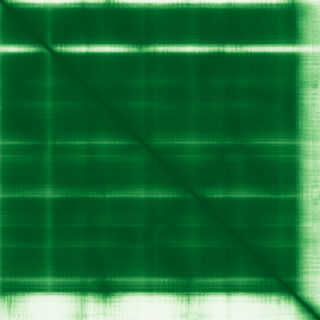
Mean pLDDT
90.8/ 100
Very high
269 residues
Confidence breakdown
- Very high(≥ 90)82%
- Confident(70–90)8%
- Low(50–70)3%
- Very low(< 50)7%
Open interactive 3D viewer
AlphaFold (Jumper et al., 2021) · CC BY 4.0
aquaporin 1 (Colton blood group)
Annotations refreshed 3 months ago.
Moderate Evidence (Amber)
Pulmonary arterial hypertension
MONOALLELIC, autosomal or pseudoautosomal, imprinted status unknownFamilial Meniere Disease
Primary lymphoedema
UnknownHereditary isolated diabetes insipidus
MONOALLELIC, autosomal or pseudoautosomal, imprinted status unknownosteoporosis
nephrolithiasis
bone disorder
bone fracture
gout
bladder calculus
preeclampsia
urolithiasis
hemolysis
ocular hypotension
Score is the Open Targets composite evidence score (0-1). Higher = stronger gene-disease association.
Aquaporin-1
Forms a water channel that facilitates the transport of water across cell membranes, playing a crucial role in water homeostasis in various tissues (PubMed:1373524, PubMed:23219802). Could also be permeable to small solutes including hydrogen peroxide, glycerol and gases such as amonnia (NH3), nitric oxide (NO) and carbon dioxide (CO2) (PubMed:16682607, PubMed:17012249, PubMed:19273840, PubMed:33028705, PubMed:8584435). Recruited to the ankyrin-1 complex, a multiprotein complex of the erythrocyte membrane, it could be part of a CO2 metabolon, linking facilitated diffusion of CO2 across the membrane, anion exchange of Cl(-)/HCO3(-) and interconversion of dissolved CO2 and carbonic acid in the cytosol (PubMed:17012249, PubMed:35835865). In vitro, it shows non-selective gated cation channel activity and may be permeable to cations like K(+) and Na(+) in vivo (PubMed:36949749, PubMed:8703053)
AQP1 · P29972
Mean pLDDT
90.8/ 100
Very high
269 residues
Confidence breakdown
AlphaFold (Jumper et al., 2021) · CC BY 4.0