Skip to content
GenoLensGenoLens

ARL6IP1

Chr 16p12.3

ARL6 interacting reticulophagy regulator 1

Aliases:
AIP1, ARMER, KIAA0069, SPG61
MANE:
ENST00000304414.12

Annotations refreshed 1 month ago.

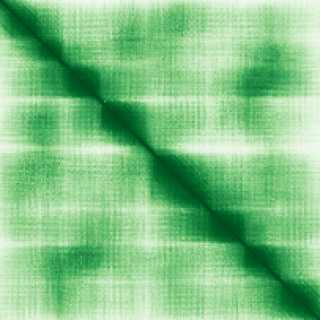
Predicted protein structure

Clinical relevance (Genomics England PanelApp)

Diagnostic Grade (Green)

  • Childhood onset hereditary spastic paraplegia

    BIALLELIC, autosomal or pseudoautosomal
  • Fetal anomalies

    BIALLELIC, autosomal or pseudoautosomal
  • Hereditary neuropathy or pain disorder

    BIALLELIC, autosomal or pseudoautosomal
  • Adult onset hereditary spastic paraplegia

    BIALLELIC, autosomal or pseudoautosomal
  • Adult onset neurodegenerative disorder

    BIALLELIC, autosomal or pseudoautosomal
  • Hereditary neuropathy

    BIALLELIC, autosomal or pseudoautosomal
  • Hereditary spastic paraplegia

    BIALLELIC, autosomal or pseudoautosomal

Disease associations (Open Targets)

  • hereditary spastic paraplegia 61

    0.73
  • Autosomal recessive spastic paraplegia type 61

    0.69
  • hereditary spastic paraplegia

    0.39
  • hereditary disease

    0.19
  • alcohol drinking

    0.08
  • urolithiasis

    0.08
  • Familial exudative vitreoretinopathy

    0.06
  • Abnormality of refraction

    0.05
  • Leber congenital amaurosis

    0.05
  • Stargardt disease

    0.05

Score is the Open Targets composite evidence score (0-1). Higher = stronger gene-disease association.

Protein function (UniProt)

ADP-ribosylation factor-like protein 6-interacting protein 1

Positively regulates SLC1A1/EAAC1-mediated glutamate transport by increasing its affinity for glutamate in a PKC activity-dependent manner. Promotes the catalytic efficiency of SLC1A1/EAAC1 probably by reducing its interaction with ARL6IP5, a negative regulator of SLC1A1/EAAC1-mediated glutamate transport (By similarity). Plays a role in the formation and stabilization of endoplasmic reticulum tubules (PubMed:24262037). Negatively regulates apoptosis, possibly by modulating the activity of caspase-9 (CASP9). Inhibits cleavage of CASP9-dependent substrates and downstream markers of apoptosis but not CASP9 itself (PubMed:12754298). May be involved in protein transport, membrane trafficking, or cell signaling during hematopoietic maturation (PubMed:10995579)

Data sources: HGNC (CC BY 4.0), AlphaFold (CC BY 4.0, Jumper et al. Nature 2021), Genomics England PanelApp (CC BY 4.0), ClinGen, Open Targets (CC0), UniProt.

Not for sole clinical decision-making. Always verify against primary sources.