
AlphaFold predicted structure
ARSB · P15848
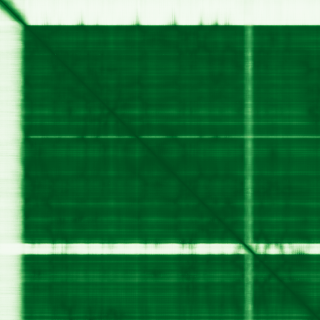
Mean pLDDT
93.1/ 100
Very high
533 residues
Confidence breakdown
- Very high(≥ 90)88%
- Confident(70–90)1%
- Low(50–70)6%
- Very low(< 50)5%
Open interactive 3D viewer
AlphaFold (Jumper et al., 2021) · CC BY 4.0
arylsulfatase B
Annotations refreshed 2 months ago.
Diagnostic Grade (Green)
DDG2P
BIALLELIC, autosomal or pseudoautosomalFetal anomalies
BIALLELIC, autosomal or pseudoautosomalHydrocephalus
BIALLELIC, autosomal or pseudoautosomalIntellectual disability
BIALLELIC, autosomal or pseudoautosomalLikely inborn error of metabolism
BIALLELIC, autosomal or pseudoautosomalLysosomal storage disorder
BIALLELIC, autosomal or pseudoautosomalMucopolysaccharideosis, Gaucher, Fabry
BIALLELIC, autosomal or pseudoautosomalMucopolysaccharidosis type VI
BIALLELIC, autosomal or pseudoautosomal+7 more panels — install the extension to see the full list inline on any page.
mucopolysaccharidosis type 6
mucopolysaccharidosis
metachromatic leukodystrophy
hereditary disease
Multiple sulfatase deficiency
mucopolysaccharidosis type 6, rapidly progressing
mucopolysaccharidosis type 6, slowly progressing
frozen shoulder
digestive system neoplasm
diabetes mellitus
Score is the Open Targets composite evidence score (0-1). Higher = stronger gene-disease association.
Arylsulfatase B
Removes sulfate groups from chondroitin-4-sulfate (C4S) and regulates its degradation (PubMed:19306108). Involved in the regulation of cell adhesion, cell migration and invasion in colonic epithelium (PubMed:19306108). In the central nervous system, is a regulator of neurite outgrowth and neuronal plasticity, acting through the control of sulfate glycosaminoglycans and neurocan levels (By similarity)
ARSB · P15848
Mean pLDDT
93.1/ 100
Very high
533 residues
Confidence breakdown
AlphaFold (Jumper et al., 2021) · CC BY 4.0