
AlphaFold predicted structure
ASPA · P45381
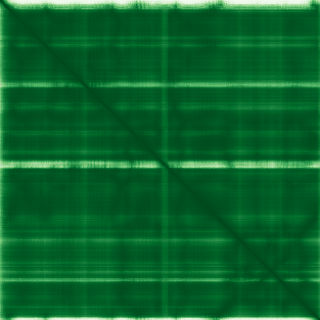
Mean pLDDT
96.1/ 100
Very high
313 residues
Confidence breakdown
- Very high(≥ 90)94%
- Confident(70–90)4%
- Low(50–70)2%
- Very low(< 50)1%
Open interactive 3D viewer
AlphaFold (Jumper et al., 2021) · CC BY 4.0
aspartoacylase
Annotations refreshed 2 months ago.
Diagnostic Grade (Green)
DDG2P
BIALLELIC, autosomal or pseudoautosomalEarly onset or syndromic epilepsy
BIALLELIC, autosomal or pseudoautosomalFetal anomalies
BIALLELIC, autosomal or pseudoautosomalInherited white matter disorders
BIALLELIC, autosomal or pseudoautosomalIntellectual disability
BIALLELIC, autosomal or pseudoautosomalLikely inborn error of metabolism
BIALLELIC, autosomal or pseudoautosomalUndiagnosed metabolic disorders
BIALLELIC, autosomal or pseudoautosomalWhite matter disorders and cerebral calcification - narrow panel
BIALLELIC, autosomal or pseudoautosomal+2 more panels — install the extension to see the full list inline on any page.
Canavan disease
hereditary disease
mild Canavan disease
severe Canavan disease
autism
Abnormality of metabolism/homeostasis
aging
Intellectual disability
Fraser syndrome
urolithiasis
Score is the Open Targets composite evidence score (0-1). Higher = stronger gene-disease association.
Aspartoacylase
Catalyzes the deacetylation of N-acetylaspartic acid (NAA) to produce acetate and L-aspartate. NAA occurs in high concentration in brain and its hydrolysis NAA plays a significant part in the maintenance of intact white matter. In other tissues it acts as a scavenger of NAA from body fluids
ASPA · P45381
Mean pLDDT
96.1/ 100
Very high
313 residues
Confidence breakdown
AlphaFold (Jumper et al., 2021) · CC BY 4.0