
AlphaFold predicted structure
ATCAY · Q86WG3
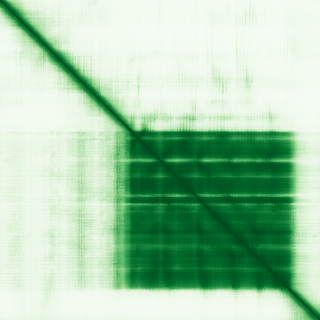
Mean pLDDT
69.6/ 100
Low
371 residues
Confidence breakdown
- Very high(≥ 90)38%
- Confident(70–90)11%
- Low(50–70)19%
- Very low(< 50)31%
Open interactive 3D viewer
AlphaFold (Jumper et al., 2021) · CC BY 4.0
ATCAY kinesin light chain interacting caytaxin
Annotations refreshed 3 months ago.
Diagnostic Grade (Green)
Ataxia and cerebellar anomalies - narrow panel
BIALLELIC, autosomal or pseudoautosomalHereditary ataxia
BIALLELIC, autosomal or pseudoautosomalHereditary ataxia with onset in adulthood
BIALLELIC, autosomal or pseudoautosomalChildhood onset dystonia, chorea or related movement disorder
BIALLELIC, autosomal or pseudoautosomalAdult onset neurodegenerative disorder
BIALLELIC, autosomal or pseudoautosomalIntellectual disability
BIALLELIC, autosomal or pseudoautosomalCayman type cerebellar ataxia
Cerebellar ataxia, Cayman type
hereditary disease
Hydrocephalus
genetic developmental and epileptic encephalopathy
undetermined early-onset epileptic encephalopathy
familial infantile myoclonic epilepsy
developmental and/or epileptic encephalopathy with spike-wave activation in sleep
Rolandic epilepsy
Landau-Kleffner syndrome
Score is the Open Targets composite evidence score (0-1). Higher = stronger gene-disease association.
Caytaxin
Functions in the development of neural tissues, particularly the postnatal maturation of the cerebellar cortex. May play a role in neurotransmission through regulation of glutaminase/GLS, an enzyme responsible for the production in neurons of the glutamate neurotransmitter. Alternatively, may regulate the localization of mitochondria within axons and dendrites
ATCAY · Q86WG3
Mean pLDDT
69.6/ 100
Low
371 residues
Confidence breakdown
AlphaFold (Jumper et al., 2021) · CC BY 4.0