Skip to content
GenoLensGenoLens

ATP11C

Chr Xq27.1

ATPase phospholipid transporting 11C (ATP11C blood group)

Aliases:
ATPIG, ATPIQ
MANE:
ENST00000682941.1

Annotations refreshed 1 month ago.

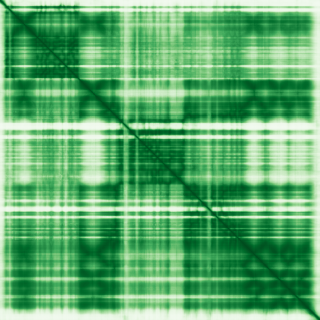
Predicted protein structure

Clinical relevance (Genomics England PanelApp)

Moderate Evidence (Amber)

  • Fetal anomalies

    X-LINKED: hemizygous mutation in males, biallelic mutations in females

Disease associations (Open Targets)

  • Congenital hemolytic anemia

    0.56
  • neutropenia, severe congenital, 2, autosomal dominant

    0.07
  • autosomal dominant severe congenital neutropenia

    0.07
  • Rh deficiency syndrome

    0.07
  • neonatal intrahepatic cholestasis due to citrin deficiency

    0.06
  • dehydrated hereditary stomatocytosis

    0.06
  • Familial hemophagocytic lymphohistiocytosis

    0.06
  • hereditary elliptocytosis

    0.06
  • Hemolytic anemia due to red cell pyruvate kinase deficiency

    0.06
  • hyperlipoproteinemia type V

    0.06

Score is the Open Targets composite evidence score (0-1). Higher = stronger gene-disease association.

Protein function (UniProt)

Phospholipid-transporting ATPase IG

Catalytic component of a P4-ATPase flippase complex which catalyzes the hydrolysis of ATP coupled to the transport of aminophospholipids, phosphatidylserines (PS) and phosphatidylethanolamines (PE), from the outer to the inner leaflet of the plasma membrane (PubMed:24904167, PubMed:25315773, PubMed:26567335, PubMed:32493773). Major PS-flippase in immune cell subsets. In erythrocyte plasma membrane, it is required to maintain PS in the inner leaflet preventing its exposure on the surface. This asymmetric distribution is critical for the survival of erythrocytes in circulation since externalized PS is a phagocytic signal for erythrocyte clearance by splenic macrophages (PubMed:26944472). Required for B cell differentiation past the pro-B cell stage (By similarity). Seems to mediate PS flipping in pro-B cells (By similarity). May be involved in the transport of cholestatic bile acids (By similarity)

Data sources: HGNC (CC BY 4.0), AlphaFold (CC BY 4.0, Jumper et al. Nature 2021), Genomics England PanelApp (CC BY 4.0), ClinGen, Open Targets (CC0), UniProt.

Not for sole clinical decision-making. Always verify against primary sources.