Skip to content
GenoLensGenoLens

ATP2A2

Chr 12q24.11

ATPase sarcoplasmic/endoplasmic reticulum Ca2+ transporting 2

Aliases:
SERCA2
MANE:
ENST00000539276.7

Annotations refreshed 9 hours ago.

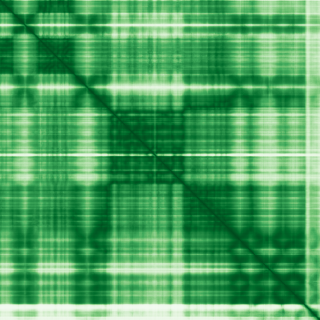
Predicted protein structure

Clinical relevance (Genomics England PanelApp)

Diagnostic Grade (Green)

  • Mosaic skin disorders - deep sequencing

    MONOALLELIC, autosomal or pseudoautosomal, imprinted status unknown
  • Rhabdomyolysis and metabolic muscle disorders

    MONOALLELIC, autosomal or pseudoautosomal, NOT imprinted
  • Epidermolysis bullosa and congenital skin fragility

    MONOALLELIC, autosomal or pseudoautosomal, NOT imprinted
  • Intellectual disability

    MONOALLELIC, autosomal or pseudoautosomal, imprinted status unknown

Disease associations (Open Targets)

  • Darier disease

    0.82
  • acrokeratosis verruciformis

    0.66
  • neurodegenerative disease

    0.51
  • schizophrenia

    0.43
  • gastroesophageal reflux disease

    0.28
  • hypothyroidism

    0.27
  • skin disorder

    0.26
  • obesity disorder

    0.22
  • atrial fibrillation

    0.20
  • hereditary disease

    0.19

Score is the Open Targets composite evidence score (0-1). Higher = stronger gene-disease association.

Protein function (UniProt)

Sarcoplasmic/endoplasmic reticulum calcium ATPase 2

This magnesium-dependent enzyme catalyzes the hydrolysis of ATP coupled with the translocation of calcium from the cytosol to the sarcoplasmic reticulum lumen (PubMed:12542527, PubMed:16402920). Involved in autophagy in response to starvation. Upon interaction with VMP1 and activation, controls ER-isolation membrane contacts for autophagosome formation (PubMed:28890335). Also modulates ER contacts with lipid droplets, mitochondria and endosomes (PubMed:28890335). In coordination with FLVCR2 mediates heme-stimulated switching from mitochondrial ATP synthesis to thermogenesis (By similarity)

Data sources: HGNC (CC BY 4.0), AlphaFold (CC BY 4.0, Jumper et al. Nature 2021), Genomics England PanelApp (CC BY 4.0), ClinGen, Open Targets (CC0), UniProt.

Not for sole clinical decision-making. Always verify against primary sources.