AlphaFold predicted structure
ATP2B3 · Q16720
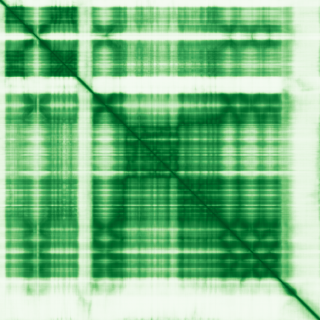
Mean pLDDT
74.3/ 100
Confident
1,220 residues
Confidence breakdown
- Very high(≥ 90)30%
- Confident(70–90)44%
- Low(50–70)7%
- Very low(< 50)19%
AlphaFold (Jumper et al., 2021) · CC BY 4.0
ATPase plasma membrane Ca2+ transporting 3
Annotations refreshed 1 month ago.
Diagnostic Grade (Green)
Ataxia and cerebellar anomalies - narrow panel
X-LINKED: hemizygous mutation in males, biallelic mutations in femalesAdult onset neurodegenerative disorder
UnknownHereditary ataxia with onset in adulthood
X-LINKED: hemizygous mutation in males, biallelic mutations in femalesHereditary ataxia
Intellectual disability
X-LINKED: hemizygous mutation in males, biallelic mutations in femalesX-linked progressive cerebellar ataxia
aldosterone-producing adrenal cortex adenoma
hereditary disease
breast ductal adenocarcinoma
lung carcinoma
endometrial endometrioid adenocarcinoma
ovarian endometrioid adenocarcinoma with squamous differentiation
X-linked non progressive cerebellar ataxia
skin squamous cell carcinoma
HER2 positive breast carcinoma
Score is the Open Targets composite evidence score (0-1). Higher = stronger gene-disease association.
Plasma membrane calcium-transporting ATPase 3
ATP-driven Ca(2+) ion pump involved in the maintenance of basal intracellular Ca(2+) levels at the presynaptic terminals (PubMed:18029012, PubMed:22912398, PubMed:25953895, PubMed:27035656). Uses ATP as an energy source to transport cytosolic Ca(2+) ions across the plasma membrane to the extracellular compartment (PubMed:25953895, PubMed:27035656). May counter-transport protons, but the mechanism and the stoichiometry of this Ca(2+)/H(+) exchange remains to be established (By similarity)
Curated MONDO disease pages that list ATP2B3 among their top associated genes.
ATP2B3 · Q16720

Mean pLDDT
74.3/ 100
Confident
1,220 residues
Confidence breakdown
AlphaFold (Jumper et al., 2021) · CC BY 4.0