Skip to content
GenoLensGenoLens

ATP6V0A2

Chr 12q24.31

ATPase H+ transporting V0 subunit a2

Aliases:
TJ6, a2, TJ6s, TJ6M, ATP6a2
MANE:
ENST00000330342.8

Annotations refreshed 1 month ago.

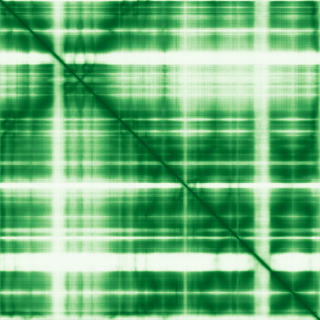
Predicted protein structure

Clinical relevance (Genomics England PanelApp)

Diagnostic Grade (Green)

  • Congenital disorders of glycosylation

    BIALLELIC, autosomal or pseudoautosomal
  • Early onset or syndromic epilepsy

    BIALLELIC, autosomal or pseudoautosomal
  • Ehlers Danlos syndrome with a likely monogenic cause

    BIALLELIC, autosomal or pseudoautosomal
  • Fetal anomalies

    BIALLELIC, autosomal or pseudoautosomal
  • Intellectual disability

    BIALLELIC, autosomal or pseudoautosomal
  • Likely inborn error of metabolism

    BIALLELIC, autosomal or pseudoautosomal
  • Skeletal dysplasia

    BIALLELIC, autosomal or pseudoautosomal
  • Undiagnosed metabolic disorders

    BIALLELIC, autosomal or pseudoautosomal

+6 more panels — install the extension to see the full list inline on any page.

Disease associations (Open Targets)

  • wrinkly skin syndrome

    0.77
  • autosomal recessive cutis laxa type 2A

    0.75
  • ALG9-congenital disorder of glycosylation

    0.55
  • cutis laxa

    0.44
  • autosomal recessive cutis laxa type 2, classic type

    0.43
  • hereditary disease

    0.34
  • hypothyroidism

    0.33
  • Alzheimer disease

    0.28
  • cancer

    0.02
  • glioblastoma

    0.02

Score is the Open Targets composite evidence score (0-1). Higher = stronger gene-disease association.

Protein function (UniProt)

V-type proton ATPase 116 kDa subunit a 2

Subunit of the V0 complex of vacuolar(H+)-ATPase (V-ATPase), a multisubunit enzyme composed of a peripheral complex (V1) that hydrolyzes ATP and a membrane integral complex (V0) that translocates protons (By similarity). V-ATPase is responsible for acidifying and maintaining the pH of intracellular compartments and in some cell types, is targeted to the plasma membrane, where it is responsible for acidifying the extracellular environment (By similarity). Essential component of the endosomal pH-sensing machinery (PubMed:16415858). May play a role in maintaining the Golgi functions, such as glycosylation maturation, by controlling the Golgi pH (PubMed:18157129). In aerobic conditions, involved in intracellular iron homeostasis, thus triggering the activity of Fe(2+) prolyl hydroxylase (PHD) enzymes, and leading to HIF1A hydroxylation and subsequent proteasomal degradation (PubMed:28296633)

Data sources: HGNC (CC BY 4.0), AlphaFold (CC BY 4.0, Jumper et al. Nature 2021), Genomics England PanelApp (CC BY 4.0), ClinGen, Open Targets (CC0), UniProt.

Not for sole clinical decision-making. Always verify against primary sources.