Skip to content
GenoLensGenoLens

ATP6V1B1

Chr 2p13.3

ATPase H+ transporting V1 subunit B1

Aliases:
VATB, RTA1B, Vma2
MANE:
ENST00000234396.10

Annotations refreshed 10 hours ago.

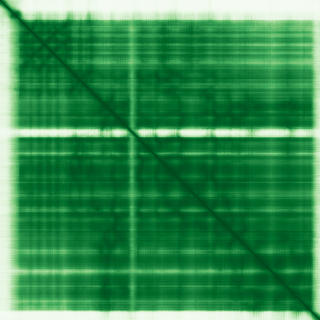
Predicted protein structure

Clinical relevance (Genomics England PanelApp)

Diagnostic Grade (Green)

  • DDG2P

    BIALLELIC, autosomal or pseudoautosomal
  • Monogenic hearing loss

    BOTH monoallelic and biallelic, autosomal or pseudoautosomal
  • Nephrocalcinosis or nephrolithiasis

    BOTH monoallelic and biallelic, autosomal or pseudoautosomal
  • Renal tubulopathies

    BOTH monoallelic and biallelic, autosomal or pseudoautosomal
  • Fetal anomalies

    BIALLELIC, autosomal or pseudoautosomal
  • Intellectual disability

    BIALLELIC, autosomal or pseudoautosomal

Disease associations (Open Targets)

  • renal tubular acidosis, distal, 2, with progressive sensorineural hearing loss

    0.83
  • distal renal tubular acidosis

    0.55
  • hereditary disease

    0.50
  • nephrocalcinosis

    0.41
  • autosomal recessive distal renal tubular acidosis

    0.37
  • polydactyly, postaxial, type A1

    0.34
  • Rare genetic deafness

    0.34
  • renal tubular acidosis

    0.29
  • gout

    0.28
  • renal tubular acidosis, distal, 3, with or without sensorineural hearing loss

    0.28

Score is the Open Targets composite evidence score (0-1). Higher = stronger gene-disease association.

Protein function (UniProt)

V-type proton ATPase subunit B, kidney isoform

Non-catalytic subunit of the V1 complex of vacuolar(H+)-ATPase (V-ATPase), a multisubunit enzyme composed of a peripheral complex (V1) that hydrolyzes ATP and a membrane integral complex (V0) that translocates protons (PubMed:16769747). V-ATPase is responsible for acidifying and maintaining the pH of intracellular compartments and in some cell types, is targeted to the plasma membrane, where it is responsible for acidifying the extracellular environment (PubMed:32001091). Essential for the proper assembly and activity of V-ATPase (PubMed:16769747). In renal intercalated cells, mediates secretion of protons (H+) into the urine thereby ensuring correct urinary acidification (PubMed:16769747). Required for optimal olfactory function by mediating the acidification of the nasal olfactory epithelium (By similarity)

Data sources: HGNC (CC BY 4.0), AlphaFold (CC BY 4.0, Jumper et al. Nature 2021), Genomics England PanelApp (CC BY 4.0), ClinGen, Open Targets (CC0), UniProt.

Not for sole clinical decision-making. Always verify against primary sources.