Skip to content
GenoLensGenoLens

ATP8A2

Chr 13q12.13

ATPase phospholipid transporting 8A2

Aliases:
ATPIB, ML-1
MANE:
ENST00000381655.7

Annotations refreshed 10 hours ago.

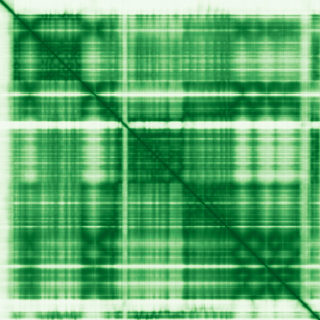
Predicted protein structure

Clinical relevance (Genomics England PanelApp)

Diagnostic Grade (Green)

  • Ataxia and cerebellar anomalies - narrow panel

    BIALLELIC, autosomal or pseudoautosomal
  • Intellectual disability

    BIALLELIC, autosomal or pseudoautosomal
  • Cerebellar hypoplasia

    BIALLELIC, autosomal or pseudoautosomal
  • Hereditary ataxia with onset in adulthood

    BIALLELIC, autosomal or pseudoautosomal
  • Adult onset neurodegenerative disorder

    BIALLELIC, autosomal or pseudoautosomal
  • Childhood onset dystonia, chorea or related movement disorder

  • DDG2P

    BIALLELIC, autosomal or pseudoautosomal
  • Hereditary ataxia

    BIALLELIC, autosomal or pseudoautosomal

Disease associations (Open Targets)

  • Dysequilibrium syndrome

    0.80
  • Rare hereditary ataxia

    0.68
  • cerebellar ataxia, intellectual disability, and dysequilibrium

    0.47
  • hereditary disease

    0.42
  • hair color

    0.40
  • pernicious anemia

    0.29
  • heart failure

    0.28
  • subarachnoid hemorrhage

    0.26
  • COVID-19

    0.26
  • ulcerative colitis

    0.26

Score is the Open Targets composite evidence score (0-1). Higher = stronger gene-disease association.

Protein function (UniProt)

Phospholipid-transporting ATPase IB

Catalytic component of a P4-ATPase flippase complex which catalyzes the hydrolysis of ATP coupled to the transport of aminophospholipids from the outer to the inner leaflet of various membranes and ensures the maintenance of asymmetric distribution of phospholipids (By similarity). Able to translocate phosphatidylserine, but not phosphatidylcholine (PubMed:34403372). Phospholipid translocation also seems to be implicated in vesicle formation and in uptake of lipid signaling molecules (By similarity). Reconstituted to liposomes, the ATP8A2:TMEM30A flippase complex predominantly transports phosphatidylserine (PS) and to a lesser extent phosphatidylethanolamine (PE) (By similarity). Phospholipid translocation is not associated with a countertransport of an inorganic ion or other charged substrate from the cytoplasmic side toward the exoplasm in connection with the phosphorylation from ATP (By similarity). ATP8A2:TMEM30A may be involved in regulation of neurite outgrowth (By similarity). Proposed to function in the generation and maintenance of phospholipid asymmetry in photoreceptor disk membranes and neuronal axon membranes (By similarity). May be involved in vesicle trafficking in neuronal cells (By similarity). Required for normal visual and auditory function; involved in photoreceptor and inner ear spiral ganglion cell survival (By similarity)

Data sources: HGNC (CC BY 4.0), AlphaFold (CC BY 4.0, Jumper et al. Nature 2021), Genomics England PanelApp (CC BY 4.0), ClinGen, Open Targets (CC0), UniProt.

Not for sole clinical decision-making. Always verify against primary sources.