AlphaFold predicted structure
ATPAF2 · Q8N5M1
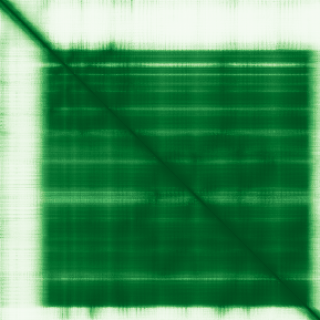
Mean pLDDT
85.6/ 100
Confident
289 residues
Confidence breakdown
- Very high(≥ 90)76%
- Confident(70–90)5%
- Low(50–70)6%
- Very low(< 50)13%
AlphaFold (Jumper et al., 2021) · CC BY 4.0
ATP synthase mitochondrial F1 complex assembly factor 2
Annotations refreshed 10 hours ago.
Diagnostic Grade (Green)
Likely inborn error of metabolism
BIALLELIC, autosomal or pseudoautosomalMitochondrial disorder with complex V deficiency
BIALLELIC, autosomal or pseudoautosomalMitochondrial disorders
BIALLELIC, autosomal or pseudoautosomalPossible mitochondrial disorder - nuclear genes
BIALLELIC, autosomal or pseudoautosomalUndiagnosed metabolic disorders
BIALLELIC, autosomal or pseudoautosomalInherited white matter disorders
BIALLELIC, autosomal or pseudoautosomalPaediatric or syndromic cardiomyopathy
BIALLELIC, autosomal or pseudoautosomalWhite matter disorders and cerebral calcification - narrow panel
BIALLELIC, autosomal or pseudoautosomal+2 more panels — install the extension to see the full list inline on any page.
Isolated ATP synthase deficiency
mitochondrial complex V (ATP synthase) deficiency, nuclear type 1
inborn mitochondrial metabolism disorder
mitochondrial disease
squamous cell carcinoma
schizophrenia
microcephaly
myocardial infarction
autosomal recessive spondylocostal dysostosis
autosomal dominant spondylocostal dysostosis
Score is the Open Targets composite evidence score (0-1). Higher = stronger gene-disease association.
ATP synthase mitochondrial F1 complex assembly factor 2
Plays a role in the assembly of the F1 component of the mitochondrial ATP synthase (ATPase)
ATPAF2 · Q8N5M1

Mean pLDDT
85.6/ 100
Confident
289 residues
Confidence breakdown
AlphaFold (Jumper et al., 2021) · CC BY 4.0