AlphaFold predicted structure
B3GLCT · Q6Y288
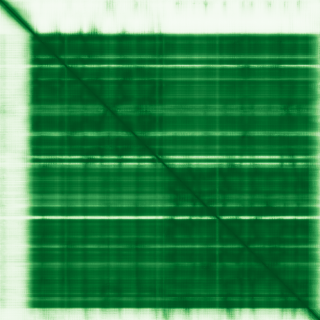
Mean pLDDT
86.7/ 100
Confident
498 residues
Confidence breakdown
- Very high(≥ 90)77%
- Confident(70–90)8%
- Low(50–70)4%
- Very low(< 50)11%
AlphaFold (Jumper et al., 2021) · CC BY 4.0
beta 3-glucosyltransferase
Annotations refreshed 1 month ago.
Diagnostic Grade (Green)
Bilateral congenital or childhood onset cataracts
BIALLELIC, autosomal or pseudoautosomalClefting
BIALLELIC, autosomal or pseudoautosomalCongenital disorders of glycosylation
BIALLELIC, autosomal or pseudoautosomalCorneal abnormalities
BIALLELIC, autosomal or pseudoautosomalFetal anomalies
BIALLELIC, autosomal or pseudoautosomalHydrocephalus
BIALLELIC, autosomal or pseudoautosomalIntellectual disability
BIALLELIC, autosomal or pseudoautosomalLikely inborn error of metabolism
BIALLELIC, autosomal or pseudoautosomal+8 more panels — install the extension to see the full list inline on any page.
Peters plus syndrome
hereditary disease
age-related macular degeneration
major depressive disorder
COVID-19
mathematical ability
orofacial cleft
eye disorder
insomnia
health study participation
Score is the Open Targets composite evidence score (0-1). Higher = stronger gene-disease association.
Beta-1,3-glucosyltransferase
Beta-1,3-glucosyltransferase involved in one of the two pathways responsible for protein O-linked fucosylation, a unique post-translational modification of cysteine-knotted proteins that regulates various biological processes. This pathway targets proteins with Thrombospondin type-1 (TSP1) repeats (TSR) in the endoplasmic reticulum. It starts with POFUT2, which attaches fucose via an O-glycosidic bond to a conserved serine or threonine residue. B3GLCT extends this modification by transferring a glucose molecule from UDP-glucose to the fucose
B3GLCT · Q6Y288

Mean pLDDT
86.7/ 100
Confident
498 residues
Confidence breakdown
AlphaFold (Jumper et al., 2021) · CC BY 4.0