Skip to content
GenoLensGenoLens

B4GAT1

Chr 11q13.2

beta-1,4-glucuronyltransferase 1

Aliases:
IGnT, iGAT, BETA3GNTI, B3GN-T1
MANE:
ENST00000311181.5

Annotations refreshed 1 month ago.

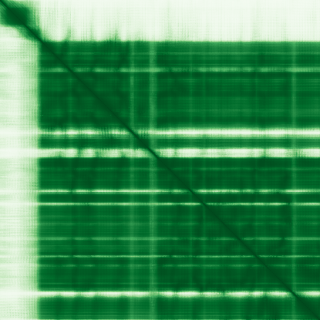
Predicted protein structure

Clinical relevance (Genomics England PanelApp)

Diagnostic Grade (Green)

  • Arthrogryposis

    BIALLELIC, autosomal or pseudoautosomal
  • Ataxia and cerebellar anomalies - narrow panel

    BIALLELIC, autosomal or pseudoautosomal
  • Cerebellar hypoplasia

    BIALLELIC, autosomal or pseudoautosomal
  • Congenital muscular dystrophy

    BIALLELIC, autosomal or pseudoautosomal
  • Fetal anomalies

    BIALLELIC, autosomal or pseudoautosomal
  • Hydrocephalus

    BIALLELIC, autosomal or pseudoautosomal
  • Malformations of cortical development

    BIALLELIC, autosomal or pseudoautosomal
  • Bilateral congenital or childhood onset cataracts

    BIALLELIC, autosomal or pseudoautosomal

+2 more panels — install the extension to see the full list inline on any page.

Disease associations (Open Targets)

  • muscular dystrophy-dystroglycanopathy (congenital with brain and eye anomalies), type A13

    0.77
  • muscular dystrophy-dystroglycanopathy, type A

    0.42
  • congenital muscular dystrophy

    0.37
  • muscular dystrophy-dystroglycanopathy (congenital with brain and eye anomalies), type A1

    0.27
  • hereditary disease

    0.19
  • gout

    0.16
  • 46,XX gonadal dysgenesis

    0.12
  • genetic non-acquired premature ovarian failure

    0.12
  • handedness

    0.11
  • diverticular disease

    0.08

Score is the Open Targets composite evidence score (0-1). Higher = stronger gene-disease association.

Protein function (UniProt)

Beta-1,4-glucuronyltransferase 1

Beta-1,4-glucuronyltransferase involved in O-mannosylation of alpha-dystroglycan (DAG1) (PubMed:19587235, PubMed:23359570, PubMed:25279697, PubMed:25279699). Transfers a glucuronic acid (GlcA) residue onto a xylose (Xyl) acceptor to produce the glucuronyl-beta-1,4-xylose-beta disaccharide primer, which is further elongated by LARGE1, during synthesis of phosphorylated O-mannosyl glycan (PubMed:25279697, PubMed:25279699). Phosphorylated O-mannosyl glycan is a carbohydrate structure present in alpha-dystroglycan (DAG1), which is required for binding laminin G-like domain-containing extracellular proteins with high affinity (PubMed:25279697, PubMed:25279699). Required for axon guidance; via its function in O-mannosylation of alpha-dystroglycan (DAG1) (By similarity)

Data sources: HGNC (CC BY 4.0), AlphaFold (CC BY 4.0, Jumper et al. Nature 2021), Genomics England PanelApp (CC BY 4.0), ClinGen, Open Targets (CC0), UniProt.

Not for sole clinical decision-making. Always verify against primary sources.