
AlphaFold predicted structure
BAAT · Q14032
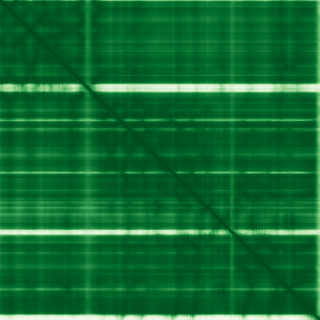
Mean pLDDT
95.2/ 100
Very high
418 residues
Confidence breakdown
- Very high(≥ 90)91%
- Confident(70–90)6%
- Low(50–70)2%
- Very low(< 50)1%
Open interactive 3D viewer
AlphaFold (Jumper et al., 2021) · CC BY 4.0
bile acid-CoA:amino acid N-acyltransferase
Annotations refreshed 2 months ago.
Diagnostic Grade (Green)
Cholestasis
BIALLELIC, autosomal or pseudoautosomalLikely inborn error of metabolism
BIALLELIC, autosomal or pseudoautosomalNeonatal cholestasis
BIALLELIC, autosomal or pseudoautosomalUndiagnosed metabolic disorders
BIALLELIC, autosomal or pseudoautosomalChildhood onset dystonia, chorea or related movement disorder
Cytopenias and congenital anaemias
BIALLELIC, autosomal or pseudoautosomalKetotic hypoglycaemia
BIALLELIC, autosomal or pseudoautosomalhypercholanemia, familial 1
bile acid conjugation defect 1
hypercholanemia, familial
cholestasis
LCAT deficiency
Hyperlipoproteinemia type 1
retinitis pigmentosa
isolated aniridia
early-onset non-syndromic cataract
Leber congenital amaurosis
Score is the Open Targets composite evidence score (0-1). Higher = stronger gene-disease association.
Bile acid-CoA:amino acid N-acyltransferase
Catalyzes the amidation of bile acids (BAs) with the amino acids taurine and glycine (PubMed:12239217, PubMed:12810727, PubMed:2037576, PubMed:8034703). More than 95% of the BAs are N-acyl amidates with glycine and taurine (PubMed:8034703). Amidation of BAs in the liver with glycine or taurine prior to their excretion into bile is an important biochemical event in bile acid metabolism (PubMed:12810727). This conjugation (or amidation) plays several important biological roles in that it promotes the secretion of BAs and cholesterol into bile and increases the detergent properties of BAs in the intestine, which facilitates lipid and vitamin absorption (PubMed:12810727). May also act as an acyl-CoA thioesterase that regulates intracellular levels of free fatty acids (PubMed:12239217, PubMed:12810727, PubMed:8034703). In vitro, catalyzes the hydrolysis of long- and very long-chain saturated acyl-CoAs to the free fatty acid and coenzyme A (CoASH), and conjugates glycine to these acyl-CoAs (PubMed:12810727)
BAAT · Q14032
Mean pLDDT
95.2/ 100
Very high
418 residues
Confidence breakdown
AlphaFold (Jumper et al., 2021) · CC BY 4.0