MONOALLELIC, autosomal or pseudoautosomal, imprinted status unknown
DDG2P
MONOALLELIC, autosomal or pseudoautosomal, imprinted status unknown
Deafness and congenital structural abnormalities
MONOALLELIC, autosomal or pseudoautosomal, NOT imprinted
Fetal anomalies
MONOALLELIC, autosomal or pseudoautosomal, imprinted status unknown
Intellectual disability
MONOALLELIC, autosomal or pseudoautosomal, imprinted status unknown
Limb disorders
MONOALLELIC, autosomal or pseudoautosomal, imprinted status unknown
Ocular coloboma
MONOALLELIC, autosomal or pseudoautosomal, NOT imprinted
Stickler syndrome
MONOALLELIC, autosomal or pseudoautosomal, imprinted status unknown
+10 more panels — install the extension to see the full list inline on any page.
Disease associations (Open Targets)
microphthalmia with brain and digit anomalies
0.79
orofacial cleft 11
0.74
colorectal cancer
0.52
myopia
0.52
Stickler syndrome
0.47
refractive error
0.47
neurodegenerative disease
0.46
benign colon neoplasm
0.45
hypertensive disorder
0.43
colonic neoplasm
0.42
Score is the Open Targets composite evidence score (0-1). Higher = stronger gene-disease association.
Protein function (UniProt)
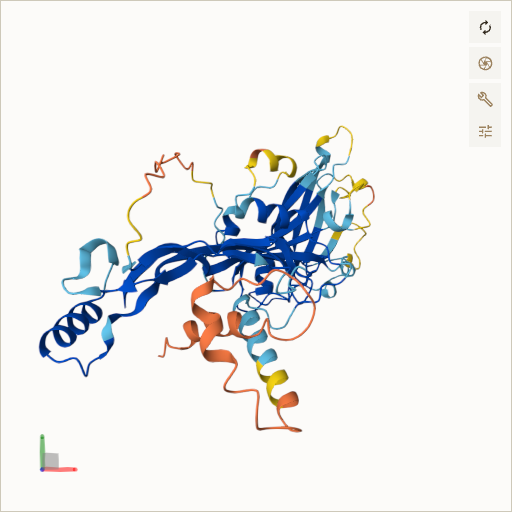
Bone morphogenetic protein 4
Growth factor of the TGF-beta superfamily that plays essential roles in many developmental processes, including neurogenesis, vascular development, angiogenesis and osteogenesis (PubMed:31363885). Acts in concert with PTHLH/PTHRP to stimulate ductal outgrowth during embryonic mammary development and to inhibit hair follicle induction (By similarity). Initiates the canonical BMP signaling cascade by associating with type I receptor BMPR1A and type II receptor BMPR2 (PubMed:25868050, PubMed:8006002). Once all three components are bound together in a complex at the cell surface, BMPR2 phosphorylates and activates BMPR1A. In turn, BMPR1A propagates signal by phosphorylating SMAD1/5/8 that travel to the nucleus and act as activators and repressors of transcription of target genes (PubMed:25868050, PubMed:29212066). Positively regulates the expression of odontogenic development regulator MSX1 via inducing the IPO7-mediated import of SMAD1 to the nucleus (By similarity). Required for MSX1-mediated mesenchymal molar tooth bud development beyond the bud stage, via promoting Wnt signaling (By similarity). Acts as a positive regulator of odontoblast differentiation during mesenchymal tooth germ formation, expression is repressed during the bell stage by MSX1-mediated inhibition of CTNNB1 signaling (By similarity). Able to induce its own expression in dental mesenchymal cells and also in the neighboring dental epithelial cells via an MSX1-mediated pathway (By similarity). Can also signal through non-canonical BMP pathways such as ERK/MAP kinase, PI3K/Akt, or SRC cascades (PubMed:31363885). For example, induces SRC phosphorylation which, in turn, activates VEGFR2, leading to an angiogenic response (PubMed:31363885)
Diseases associated with BMP4
Curated MONDO disease pages that list BMP4 among their top associated genes.