Skip to content
GenoLensGenoLens

BMPR1B

Chr 4q22.3

bone morphogenetic protein receptor type 1B

Aliases:
ALK6, CDw293
MANE:
ENST00000515059.6

Annotations refreshed 1 month ago.

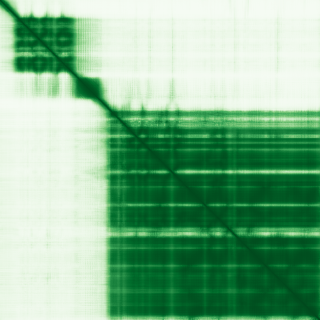
Predicted protein structure

Clinical relevance (Genomics England PanelApp)

Diagnostic Grade (Green)

  • DDG2P

    BIALLELIC, autosomal or pseudoautosomal
  • Fetal anomalies

    BIALLELIC, autosomal or pseudoautosomal
  • Limb disorders

    BOTH monoallelic and biallelic, autosomal or pseudoautosomal
  • Skeletal dysplasia

    BOTH monoallelic and biallelic, autosomal or pseudoautosomal
  • Structural eye disease

    MONOALLELIC, autosomal or pseudoautosomal, NOT imprinted
  • Primary ovarian insufficiency

    MONOALLELIC, autosomal or pseudoautosomal, NOT imprinted
  • Intellectual disability

    BOTH monoallelic and biallelic, autosomal or pseudoautosomal
  • Pulmonary arterial hypertension

    Unknown

+2 more panels — install the extension to see the full list inline on any page.

Disease associations (Open Targets)

  • brachydactyly type A2

    0.76
  • acromesomelic dysplasia 3

    0.74
  • brachydactyly type A1

    0.63
  • diverticular disease

    0.49
  • bone disorder

    0.46
  • acromesomelic dysplasia 2B

    0.46
  • brachydactyly

    0.43
  • Menorrhagia

    0.42
  • Acromesomelic dysplasia, Grebe type

    0.39
  • coronary artery disorder

    0.39

Score is the Open Targets composite evidence score (0-1). Higher = stronger gene-disease association.

Protein function (UniProt)

Bone morphogenetic protein receptor type-1B

On ligand binding, forms a receptor complex consisting of two type II and two type I transmembrane serine/threonine kinases. Type II receptors phosphorylate and activate type I receptors which autophosphorylate, then bind and activate SMAD transcriptional regulators. Receptor for BMP7/OP-1 and GDF5. Positively regulates chondrocyte differentiation through GDF5 interaction

Curated MONDO disease pages that list BMPR1B among their top associated genes.

Data sources: HGNC (CC BY 4.0), AlphaFold (CC BY 4.0, Jumper et al. Nature 2021), Genomics England PanelApp (CC BY 4.0), ClinGen, Open Targets (CC0), UniProt.

Not for sole clinical decision-making. Always verify against primary sources.