
AlphaFold predicted structure
BORCS8 · Q96FH0
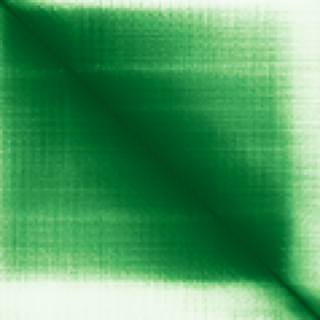
Mean pLDDT
92.4/ 100
Very high
119 residues
Confidence breakdown
- Very high(≥ 90)84%
- Confident(70–90)8%
- Low(50–70)8%
- Very low(< 50)0%
Open interactive 3D viewer
AlphaFold (Jumper et al., 2021) · CC BY 4.0
BLOC-1 related complex subunit 8
Annotations refreshed 3 months ago.
Diagnostic Grade (Green)
Childhood onset hereditary spastic paraplegia
BIALLELIC, autosomal or pseudoautosomalDDG2P
BIALLELIC, autosomal or pseudoautosomalIntellectual disability
BIALLELIC, autosomal or pseudoautosomalOptic neuropathy
BIALLELIC, autosomal or pseudoautosomalEarly onset or syndromic epilepsy
BIALLELIC, autosomal or pseudoautosomalFetal anomalies
BIALLELIC, autosomal or pseudoautosomalneurodegeneration, infantile-onset, with optic atrophy and brain abnormalities
MHC class II deficiency
Immunodeficiency by defective expression of HLA class 2
hepatocellular carcinoma
tooth disorder
osteosarcoma
Compulsive behaviors
Cowden disease
obesity disorder
obesity due to melanocortin 4 receptor deficiency
Score is the Open Targets composite evidence score (0-1). Higher = stronger gene-disease association.
BLOC-1-related complex subunit 8
As part of the BLOC-one-related complex (BORC), it plays a role in the movement and localization of lysosomes at the cell periphery (PubMed:25898167, PubMed:38128568). Associated with the cytosolic face of lysosomes, BORC recruits ARL8B to the lysosomal membrane and couples lysosomes to microtubule plus-end-directed kinesin motors, driving lysosome movement toward the cell periphery
BORCS8 · Q96FH0
Mean pLDDT
92.4/ 100
Very high
119 residues
Confidence breakdown
AlphaFold (Jumper et al., 2021) · CC BY 4.0