
AlphaFold predicted structure
C3 · P01024
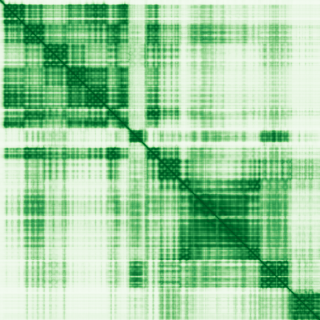
Mean pLDDT
79.8/ 100
Confident
1,663 residues
Confidence breakdown
- Very high(≥ 90)23%
- Confident(70–90)58%
- Low(50–70)14%
- Very low(< 50)5%
Open interactive 3D viewer
AlphaFold (Jumper et al., 2021) · CC BY 4.0
complement C3
Annotations refreshed 3 months ago.
Diagnostic Grade (Green)
Atypical haemolytic uraemic syndrome
MONOALLELIC, autosomal or pseudoautosomal, NOT imprintedCOVID-19 research
BOTH monoallelic and biallelic, autosomal or pseudoautosomalMembranoproliferative glomerulonephritis including C3 glomerulopathy
MONOALLELIC, autosomal or pseudoautosomal, imprinted status unknownPrimary immunodeficiency or monogenic inflammatory bowel disease
BIALLELIC, autosomal or pseudoautosomalUnexplained kidney failure in young people
BOTH monoallelic and biallelic, autosomal or pseudoautosomalUnexplained young onset end-stage renal disease - additional genes
BOTH monoallelic and biallelic, autosomal or pseudoautosomalRetinal disorders
MONOALLELIC, autosomal or pseudoautosomal, imprinted status unknownatypical hemolytic-uremic syndrome with C3 anomaly
complement component 3 deficiency
age-related macular degeneration
complement 3 glomerulopathy
atypical hemolytic-uremic syndrome
macular degeneration
age related macular degeneration 9
retinal disorder
paroxysmal nocturnal hemoglobinuria
atrophic macular degeneration
Score is the Open Targets composite evidence score (0-1). Higher = stronger gene-disease association.
Complement C3
Precursor of non-enzymatic components of the classical, alternative, lectin and GZMK complement pathways, which consist in a cascade of proteins that leads to phagocytosis and breakdown of pathogens and signaling that strengthens the adaptive immune system
Curated MONDO disease pages that list C3 among their top associated genes.
C3 · P01024
Mean pLDDT
79.8/ 100
Confident
1,663 residues
Confidence breakdown
AlphaFold (Jumper et al., 2021) · CC BY 4.0