Skip to content
GenoLensGenoLens

CAMK2B

Chr 7p13

calcium/calmodulin dependent protein kinase II beta

Aliases:
CAM2, CAMK2, CaMKIIβ
MANE:
ENST00000395749.7

Annotations refreshed 10 hours ago.

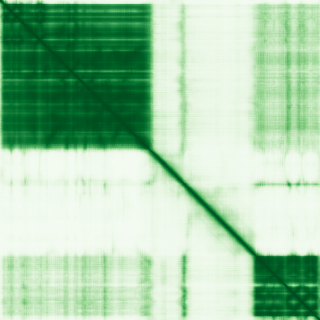
Predicted protein structure

Clinical relevance (Genomics England PanelApp)

Diagnostic Grade (Green)

  • DDG2P

    MONOALLELIC, autosomal or pseudoautosomal, imprinted status unknown
  • Intellectual disability

    MONOALLELIC, autosomal or pseudoautosomal, imprinted status unknown
  • Severe microcephaly

    MONOALLELIC, autosomal or pseudoautosomal, NOT imprinted
  • Fetal anomalies

    MONOALLELIC, autosomal or pseudoautosomal, NOT imprinted

Disease associations (Open Targets)

  • intellectual disability, autosomal dominant 54

    0.77
  • Intellectual disability

    0.64
  • type 2 diabetes mellitus

    0.46
  • hereditary disease

    0.45
  • dengue disease

    0.37
  • autosomal dominant non-syndromic intellectual disability

    0.37
  • Abnormality of the nervous system

    0.34
  • Global developmental delay

    0.26
  • microcephaly

    0.26
  • dystonic disorder

    0.26

Score is the Open Targets composite evidence score (0-1). Higher = stronger gene-disease association.

Protein function (UniProt)

Calcium/calmodulin-dependent protein kinase type II subunit beta

Calcium/calmodulin-dependent protein kinase that functions autonomously after Ca(2+)/calmodulin-binding and autophosphorylation, and is involved in dendritic spine and synapse formation, neuronal plasticity and regulation of sarcoplasmic reticulum Ca(2+) transport in skeletal muscle (PubMed:16690701). In neurons, plays an essential structural role in the reorganization of the actin cytoskeleton during plasticity by binding and bundling actin filaments in a kinase-independent manner. This structural function is required for correct targeting of CaMK2A, which acts downstream of NMDAR to promote dendritic spine and synapse formation and maintain synaptic plasticity which enables long-term potentiation (LTP) and hippocampus-dependent learning. In developing hippocampal neurons, promotes arborization of the dendritic tree and in mature neurons, promotes dendritic remodeling. Also regulates the migration of developing neurons (PubMed:29100089). Participates in the modulation of skeletal muscle function in response to exercise (PubMed:16690701). In slow-twitch muscles, is involved in regulation of sarcoplasmic reticulum (SR) Ca(2+) transport and in fast-twitch muscle participates in the control of Ca(2+) release from the SR through phosphorylation of triadin, a ryanodine receptor-coupling factor, and phospholamban (PLN/PLB), an endogenous inhibitor of SERCA2A/ATP2A2. In response to interferon-gamma (IFN-gamma) stimulation, catalyzes phosphorylation of STAT1, stimulating the JAK-STAT signaling pathway (By similarity). Phosphorylates reticulophagy regulator RETREG1 at 'Ser-151' under endoplasmic reticulum stress conditions which enhances RETREG1 oligomerization and its membrane scission and reticulophagy activity (PubMed:31930741)

Data sources: HGNC (CC BY 4.0), AlphaFold (CC BY 4.0, Jumper et al. Nature 2021), Genomics England PanelApp (CC BY 4.0), ClinGen, Open Targets (CC0), UniProt.

Not for sole clinical decision-making. Always verify against primary sources.