
AlphaFold predicted structure
CASQ1 · P31415
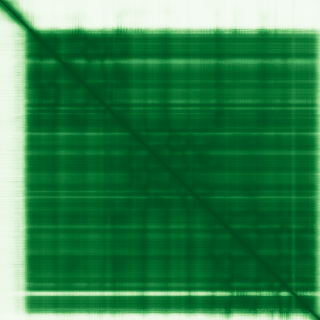
Mean pLDDT
90.0/ 100
Very high
396 residues
Confidence breakdown
- Very high(≥ 90)82%
- Confident(70–90)6%
- Low(50–70)3%
- Very low(< 50)9%
Open interactive 3D viewer
AlphaFold (Jumper et al., 2021) · CC BY 4.0
calsequestrin 1
Annotations refreshed 2 months ago.
Diagnostic Grade (Green)
Rhabdomyolysis and metabolic muscle disorders
MONOALLELIC, autosomal or pseudoautosomal, imprinted status unknownAcute rhabdomyolysis
MONOALLELIC, autosomal or pseudoautosomal, imprinted status unknownLimb girdle muscular dystrophies, myofibrillar myopathies and distal myopathies
MONOALLELIC, autosomal or pseudoautosomal, NOT imprintedCongenital myopathy
MONOALLELIC, autosomal or pseudoautosomal, imprinted status unknownmyopathy due to calsequestrin and SERCA1 protein overload
myopathy, tubular aggregate, 1
tubular aggregate myopathy
hereditary disease
neutropenia
Decreased total leukocyte count
myopathy
amyotrophic lateral sclerosis
Congenital myasthenic syndromes
Emery-Dreifuss muscular dystrophy
Score is the Open Targets composite evidence score (0-1). Higher = stronger gene-disease association.
Calsequestrin-1
Calsequestrin is a high-capacity, moderate affinity, calcium-binding protein and thus acts as an internal calcium store in muscle (PubMed:28895244). Calcium ions are bound by clusters of acidic residues at the protein surface, often at the interface between subunits. Can bind around 80 Ca(2+) ions (PubMed:28895244). Regulates the release of lumenal Ca(2+) via the calcium release channel RYR1; this plays an important role in triggering muscle contraction. Negatively regulates store-operated Ca(2+) entry (SOCE) activity (PubMed:27185316)
CASQ1 · P31415
Mean pLDDT
90.0/ 100
Very high
396 residues
Confidence breakdown
AlphaFold (Jumper et al., 2021) · CC BY 4.0