
AlphaFold predicted structure
CASQ2 · O14958
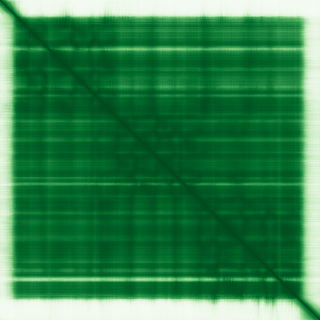
Mean pLDDT
90.5/ 100
Very high
399 residues
Confidence breakdown
- Very high(≥ 90)83%
- Confident(70–90)6%
- Low(50–70)6%
- Very low(< 50)6%
Open interactive 3D viewer
AlphaFold (Jumper et al., 2021) · CC BY 4.0
calsequestrin 2
Annotations refreshed 3 months ago.
Diagnostic Grade (Green)
Catecholaminergic polymorphic VT
BIALLELIC, autosomal or pseudoautosomalHereditary neuropathy
Hereditary neuropathy or pain disorder
Hypertrophic cardiomyopathy
BIALLELIC, autosomal or pseudoautosomalLeft Ventricular Noncompaction Cardiomyopathy
catecholaminergic polymorphic ventricular tachycardia
catecholaminergic polymorphic ventricular tachycardia 1
Abnormality of the cardiovascular system
atrial fibrillation
atrial flutter
neurodegenerative disease
Prolonged QT interval
protozoa infectious disease
skin disorder
Wolff-Parkinson-White syndrome
Score is the Open Targets composite evidence score (0-1). Higher = stronger gene-disease association.
Calsequestrin-2
Calsequestrin is a high-capacity, moderate affinity, calcium-binding protein and thus acts as an internal calcium store in muscle. Calcium ions are bound by clusters of acidic residues at the protein surface, especially at the interface between subunits. Can bind around 60 Ca(2+) ions. Regulates the release of lumenal Ca(2+) via the calcium release channel RYR2; this plays an important role in triggering muscle contraction. Plays a role in excitation-contraction coupling in the heart and in regulating the rate of heart beats
CASQ2 · O14958
Mean pLDDT
90.5/ 100
Very high
399 residues
Confidence breakdown
AlphaFold (Jumper et al., 2021) · CC BY 4.0