
AlphaFold predicted structure
CD151 · P48509
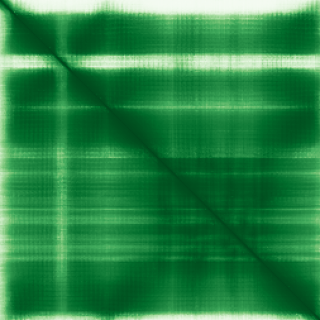
Mean pLDDT
88.3/ 100
Confident
253 residues
Confidence breakdown
- Very high(≥ 90)69%
- Confident(70–90)22%
- Low(50–70)5%
- Very low(< 50)4%
Open interactive 3D viewer
AlphaFold (Jumper et al., 2021) · CC BY 4.0
CD151 molecule (Raph blood group)
Annotations refreshed 3 months ago.
Diagnostic Grade (Green)
DDG2P
BIALLELIC, autosomal or pseudoautosomalProteinuric renal disease
BIALLELIC, autosomal or pseudoautosomalEpidermolysis bullosa and congenital skin fragility
BIALLELIC, autosomal or pseudoautosomalUnexplained kidney failure in young people
BIALLELIC, autosomal or pseudoautosomalEpidermolysis bullosa
BIALLELIC, autosomal or pseudoautosomalFetal anomalies
BIALLELIC, autosomal or pseudoautosomalMonogenic hearing loss
epidermolysis bullosa simplex 7, with nephropathy and deafness
Nephrotic syndrome-deafness-pretibial epidermolysis bullosa syndrome
Abnormality of the skeletal system
hereditary disease
neoplasm
breast cancer
hepatocellular carcinoma
cancer
familial idiopathic steroid-resistant nephrotic syndrome
non-small cell lung carcinoma
Score is the Open Targets composite evidence score (0-1). Higher = stronger gene-disease association.
CD151 antigen
Structural component of specialized membrane microdomains known as tetraspanin-enriched microdomains (TERMs), which act as platforms for receptor clustering and signaling. Plays a role in various cellular and molecular mechanism through its association with both integrin and non-integrin proteins. These interactions facilitate critical cellular functions, including cell-to-cell communication, wound healing, platelet aggregation, trafficking, cell motility, and angiogenesis (PubMed:17045834, PubMed:24723389, PubMed:31488507). Via interaction with JAM-A/F11R and integrin ITGA3:ITGB1, promotes the recruitment of signaling molecules such as RAC1, CDC42 and RhoGTPases to facilitate the polarization of epithelial cells and the reorganization of the actin cytoskeleton, which are critical steps in cell migration process (PubMed:22843693, PubMed:35067832). Regulates the glycosylation pattern of ITGA3:ITGB1 thereby modulating its activity (PubMed:18852263). Plays an essential role in the maintenance of central laminin-binding integrin ITGA6:ITGB4-containing adhesion complexes (PubMed:31488507). Essential for the proper assembly of the glomerular and tubular basement membranes in kidney (PubMed:15265795). Contributes to T-cell activation by modulating integrin signaling leading to activation of downstream targets PTK2 and MAPK1/MAPK3 (PubMed:24723389)
CD151 · P48509
Mean pLDDT
88.3/ 100
Confident
253 residues
Confidence breakdown
AlphaFold (Jumper et al., 2021) · CC BY 4.0