
AlphaFold predicted structure
CD19 · P15391
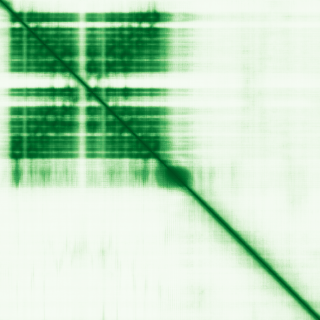
Mean pLDDT
62.2/ 100
Low
556 residues
Confidence breakdown
- Very high(≥ 90)24%
- Confident(70–90)19%
- Low(50–70)12%
- Very low(< 50)45%
Open interactive 3D viewer
AlphaFold (Jumper et al., 2021) · CC BY 4.0
CD19 molecule
Annotations refreshed 2 months ago.
Diagnostic Grade (Green)
COVID-19 research
BIALLELIC, autosomal or pseudoautosomalPrimary immunodeficiency or monogenic inflammatory bowel disease
BIALLELIC, autosomal or pseudoautosomalimmunodeficiency, common variable, 3
diffuse large B-cell lymphoma
common variable immunodeficiency
acute lymphoblastic leukemia
neuromyelitis optica
mantle cell lymphoma
follicular lymphoma
neoplasm
B-cell acute lymphoblastic leukemia
agammaglobulinemia
Score is the Open Targets composite evidence score (0-1). Higher = stronger gene-disease association.
B-lymphocyte antigen CD19
Functions as a coreceptor for the B-cell antigen receptor complex (BCR) on B-lymphocytes (PubMed:29523808). Decreases the threshold for activation of downstream signaling pathways and for triggering B-cell responses to antigens (PubMed:1373518, PubMed:16672701, PubMed:2463100). Activates signaling pathways that lead to the activation of phosphatidylinositol 3-kinase and the mobilization of intracellular Ca(2+) stores (PubMed:12387743, PubMed:16672701, PubMed:9317126, PubMed:9382888). Is not required for early steps during B cell differentiation in the blood marrow (PubMed:9317126). Required for normal differentiation of B-1 cells (By similarity). Required for normal B cell differentiation and proliferation in response to antigen challenges (PubMed:1373518, PubMed:2463100). Required for normal levels of serum immunoglobulins, and for production of high-affinity antibodies in response to antigen challenge (PubMed:12387743, PubMed:16672701, PubMed:9317126)
Curated MONDO disease pages that list CD19 among their top associated genes.
CD19 · P15391
Mean pLDDT
62.2/ 100
Low
556 residues
Confidence breakdown
AlphaFold (Jumper et al., 2021) · CC BY 4.0