
AlphaFold predicted structure
CD247 · P20963
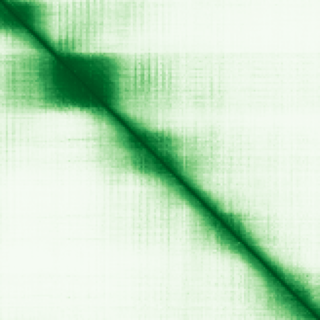
Mean pLDDT
62.4/ 100
Low
164 residues
Confidence breakdown
- Very high(≥ 90)9%
- Confident(70–90)16%
- Low(50–70)59%
- Very low(< 50)17%
Open interactive 3D viewer
AlphaFold (Jumper et al., 2021) · CC BY 4.0
CD247 molecule
Annotations refreshed 2 months ago.
Diagnostic Grade (Green)
COVID-19 research
BIALLELIC, autosomal or pseudoautosomalPrimary immunodeficiency or monogenic inflammatory bowel disease
BIALLELIC, autosomal or pseudoautosomalimmunodeficiency 25
cutaneous leishmaniasis
asthma
T-B+ severe combined immunodeficiency
T-B- severe combined immunodeficiency
hypothyroidism
allergic rhinitis
allergic disease
respiratory system disorder
T-B+ severe combined immunodeficiency due to CD3delta/CD3epsilon/CD3zeta
Score is the Open Targets composite evidence score (0-1). Higher = stronger gene-disease association.
T-cell surface glycoprotein CD3 zeta chain
Part of the TCR-CD3 complex present on T-lymphocyte cell surface that plays an essential role in adaptive immune response. When antigen presenting cells (APCs) activate T-cell receptor (TCR), TCR-mediated signals are transmitted across the cell membrane by the CD3 chains CD3D, CD3E, CD3G and CD247/CD3Z. All CD3 chains contain immunoreceptor tyrosine-based activation motifs (ITAMs) in their cytoplasmic domain. Upon TCR engagement, these motifs become phosphorylated by Src family protein tyrosine kinases LCK and FYN, resulting in the activation of downstream signaling pathways (PubMed:1384049, PubMed:1385158, PubMed:2470098, PubMed:7509083). CD247/CD3Z ITAMs phosphorylation creates multiple docking sites for the protein kinase ZAP70 leading to ZAP70 phosphorylation and its conversion into a catalytically active enzyme (PubMed:7509083). Plays an important role in intrathymic T-cell differentiation. Additionally, participates in the activity-dependent synapse formation of retinal ganglion cells (RGCs) in both the retina and dorsal lateral geniculate nucleus (dLGN) (By similarity)
CD247 · P20963
Mean pLDDT
62.4/ 100
Low
164 residues
Confidence breakdown
AlphaFold (Jumper et al., 2021) · CC BY 4.0