
AlphaFold predicted structure
CD4 · P01730
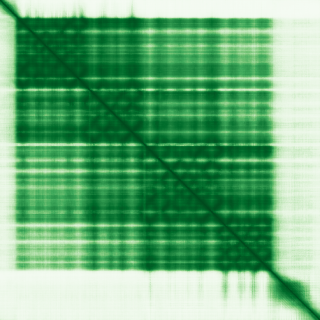
Mean pLDDT
85.3/ 100
Confident
458 residues
Confidence breakdown
- Very high(≥ 90)65%
- Confident(70–90)19%
- Low(50–70)8%
- Very low(< 50)9%
Open interactive 3D viewer
AlphaFold (Jumper et al., 2021) · CC BY 4.0
CD4 molecule
Annotations refreshed 3 months ago.
Diagnostic Grade (Green)
Primary immunodeficiency or monogenic inflammatory bowel disease
BIALLELIC, autosomal or pseudoautosomalCOVID-19 research
BIALLELIC, autosomal or pseudoautosomalFamilial Meniere Disease
HIV infectious disease
immunodeficiency 79
Okt4 epitope deficiency
HIV-1 infection
viral infectious disease
neurodegenerative disease
lymphoma
mycosis fungoides
Sezary syndrome
rheumatoid arthritis
Score is the Open Targets composite evidence score (0-1). Higher = stronger gene-disease association.
T-cell surface glycoprotein CD4
Integral membrane glycoprotein that plays an essential role in the immune response and serves multiple functions in responses against both external and internal offenses. In T-cells, functions primarily as a coreceptor for MHC class II molecule:peptide complex. The antigens presented by class II peptides are derived from extracellular proteins while class I peptides are derived from cytosolic proteins. Interacts simultaneously with the T-cell receptor (TCR) and the MHC class II presented by antigen presenting cells (APCs). In turn, recruits the Src kinase LCK to the vicinity of the TCR-CD3 complex. LCK then initiates different intracellular signaling pathways by phosphorylating various substrates ultimately leading to lymphokine production, motility, adhesion and activation of T-helper cells. In other cells such as macrophages or NK cells, plays a role in differentiation/activation, cytokine expression and cell migration in a TCR/LCK-independent pathway. Participates in the development of T-helper cells in the thymus and triggers the differentiation of monocytes into functional mature macrophages
Curated MONDO disease pages that list CD4 among their top associated genes.
CD4 · P01730
Mean pLDDT
85.3/ 100
Confident
458 residues
Confidence breakdown
AlphaFold (Jumper et al., 2021) · CC BY 4.0