
AlphaFold predicted structure
CD59 · P13987
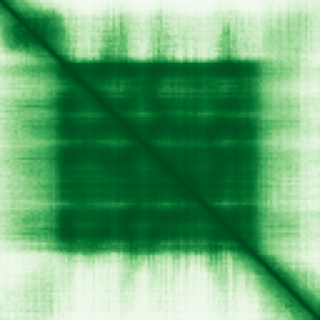
Mean pLDDT
79.3/ 100
Confident
128 residues
Confidence breakdown
- Very high(≥ 90)51%
- Confident(70–90)17%
- Low(50–70)25%
- Very low(< 50)7%
Open interactive 3D viewer
AlphaFold (Jumper et al., 2021) · CC BY 4.0
CD59 molecule (CD59 blood group)
Annotations refreshed 2 months ago.
Diagnostic Grade (Green)
COVID-19 research
BIALLELIC, autosomal or pseudoautosomalCytopenias and congenital anaemias
BIALLELIC, autosomal or pseudoautosomalHereditary neuropathy
BIALLELIC, autosomal or pseudoautosomalHereditary neuropathy or pain disorder
BIALLELIC, autosomal or pseudoautosomalPrimary immunodeficiency or monogenic inflammatory bowel disease
BIALLELIC, autosomal or pseudoautosomalRare anaemia
BIALLELIC, autosomal or pseudoautosomalprimary CD59 deficiency
paroxysmal nocturnal hemoglobinuria
complement deficiency
dyskeratosis congenita, X-linked
dyskeratosis congenita
hereditary disease
neoplasm
neuromyelitis optica
cancer
breast cancer
Score is the Open Targets composite evidence score (0-1). Higher = stronger gene-disease association.
CD59 glycoprotein
Potent inhibitor of the complement membrane attack complex (MAC) action, which protects human cells from damage during complement activation (PubMed:11882685, PubMed:1698710, PubMed:2475111, PubMed:2475570, PubMed:2606909, PubMed:9053451). Acts by binding to the beta-haipins of C8 (C8A and C8B) components of the assembling MAC, forming an intermolecular beta-sheet that prevents incorporation of the multiple copies of C9 required for complete formation of the osmolytic pore (PubMed:11882685, PubMed:1698710, PubMed:36797260)
CD59 · P13987
Mean pLDDT
79.3/ 100
Confident
128 residues
Confidence breakdown
AlphaFold (Jumper et al., 2021) · CC BY 4.0