AlphaFold predicted structure
CEP19 · Q96LK0
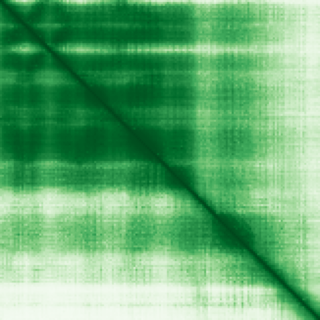
Mean pLDDT
82.8/ 100
Confident
163 residues
Confidence breakdown
- Very high(≥ 90)32%
- Confident(70–90)56%
- Low(50–70)12%
- Very low(< 50)0%
AlphaFold (Jumper et al., 2021) · CC BY 4.0
centrosomal protein 19
Annotations refreshed 9 hours ago.
Diagnostic Grade (Green)
Severe early-onset obesity
BIALLELIC, autosomal or pseudoautosomalRetinal disorders
obesity due to CEP19 deficiency
Bardet-Biedl syndrome
morbid obesity
optic atrophy
obesity due to melanocortin 4 receptor deficiency
allergic disease
MODY
coronary artery disease, autosomal dominant 2
familial multiple lipomatosis
hypoinsulinemic hypoglycemia and body hemihypertrophy
Score is the Open Targets composite evidence score (0-1). Higher = stronger gene-disease association.
Centrosomal protein of 19 kDa
Required for ciliation (PubMed:28428259, PubMed:28625565, PubMed:28659385). Recruits the RABL2B GTPase to the ciliary base to initiate ciliation. After specifically capturing the activated GTP-bound RABL2B, the CEP19-RABL2B complex binds intraflagellar transport (IFT) complex B from the large pool pre-docked at the base of the cilium and thus triggers its entry into the cilia (PubMed:28428259, PubMed:28625565). Involved in the early steps in cilia formation by recruiting the ciliary vesicles (CVs) to the distal end of the mother centriole where they fuse to initiate cilium assembly. Involved in microtubule (MT) anchoring to the centrosomes (PubMed:28659385)
CEP19 · Q96LK0

Mean pLDDT
82.8/ 100
Confident
163 residues
Confidence breakdown
AlphaFold (Jumper et al., 2021) · CC BY 4.0