AlphaFold predicted structure
CERS3 · Q8IU89
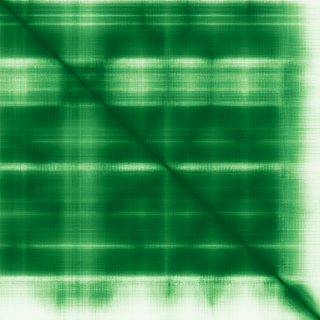
Mean pLDDT
87.3/ 100
Confident
383 residues
Confidence breakdown
- Very high(≥ 90)67%
- Confident(70–90)19%
- Low(50–70)10%
- Very low(< 50)4%
AlphaFold (Jumper et al., 2021) · CC BY 4.0
ceramide synthase 3
Annotations refreshed 10 hours ago.
Diagnostic Grade (Green)
Autosomal recessive congenital ichthyosis
BIALLELIC, autosomal or pseudoautosomalFetal anomalies
BIALLELIC, autosomal or pseudoautosomalIchthyosis and erythrokeratoderma
BIALLELIC, autosomal or pseudoautosomalPalmoplantar keratodermas
BIALLELIC, autosomal or pseudoautosomalEctodermal dysplasia
BIALLELIC, autosomal or pseudoautosomalFamilial cicatricial alopecia
BIALLELIC, autosomal or pseudoautosomalcongenital non-bullous ichthyosiform erythroderma
lamellar ichthyosis
autosomal recessive congenital ichthyosis
congenital reticular ichthyosiform erythroderma
Abnormality of the skin
ichthyosis
cervical carcinoma
pathological myopia
eye disorder
musculoskeletal system disorder
Score is the Open Targets composite evidence score (0-1). Higher = stronger gene-disease association.
Ceramide synthase 3
Ceramide synthase that catalyzes the transfer of the acyl chain from acyl-CoA to a sphingoid base, with high selectivity toward very- and ultra-long-chain fatty acyl-CoA (chain length greater than C22) (PubMed:17977534, PubMed:22038835, PubMed:26887952). N-acylates sphinganine and sphingosine bases to form dihydroceramides and ceramides in de novo synthesis and salvage pathways, respectively (PubMed:17977534, PubMed:22038835, PubMed:26887952). It is crucial for the synthesis of ultra-long-chain ceramides in the epidermis, to maintain epidermal lipid homeostasis and terminal differentiation (PubMed:23754960)
CERS3 · Q8IU89

Mean pLDDT
87.3/ 100
Confident
383 residues
Confidence breakdown
AlphaFold (Jumper et al., 2021) · CC BY 4.0