
AlphaFold predicted structure
CFI · P05156
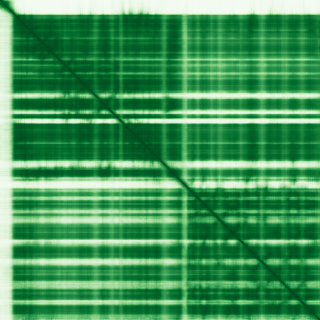
Mean pLDDT
84.8/ 100
Confident
583 residues
Confidence breakdown
- Very high(≥ 90)58%
- Confident(70–90)26%
- Low(50–70)11%
- Very low(< 50)5%
Open interactive 3D viewer
AlphaFold (Jumper et al., 2021) · CC BY 4.0
complement factor I
Annotations refreshed 2 months ago.
Diagnostic Grade (Green)
Atypical haemolytic uraemic syndrome
BOTH monoallelic and biallelic, autosomal or pseudoautosomalCOVID-19 research
BOTH monoallelic and biallelic, autosomal or pseudoautosomalMembranoproliferative glomerulonephritis including C3 glomerulopathy
BOTH monoallelic and biallelic, autosomal or pseudoautosomalPrimary immunodeficiency or monogenic inflammatory bowel disease
BIALLELIC, autosomal or pseudoautosomalUnexplained kidney failure in young people
BOTH monoallelic and biallelic, autosomal or pseudoautosomalFetal anomalies
BIALLELIC, autosomal or pseudoautosomalRetinal disorders
MONOALLELIC, autosomal or pseudoautosomal, NOT imprintedcomplement factor I deficiency
atypical hemolytic-uremic syndrome with I factor anomaly
age-related macular degeneration
atypical hemolytic-uremic syndrome
macular degeneration
retinal disorder
degeneration of macula and posterior pole
COVID-19
complement 3 glomerulopathy
complement deficiency
Score is the Open Targets composite evidence score (0-1). Higher = stronger gene-disease association.
Complement factor I
Trypsin-like serine protease that plays an essential role in regulating the immune response by controlling all complement pathways. Inhibits these pathways by cleaving three peptide bonds in the alpha-chain of C3b and two bonds in the alpha-chain of C4b thereby inactivating these proteins (PubMed:17320177, PubMed:7360115). Essential cofactors for these reactions include factor H and C4BP in the fluid phase and membrane cofactor protein/CD46 and CR1 on cell surfaces (PubMed:12055245, PubMed:2141838, PubMed:9605165). The presence of these cofactors on healthy cells allows degradation of deposited C3b by CFI in order to prevent undesired complement activation, while in apoptotic cells or microbes, the absence of such cofactors leads to C3b-mediated complement activation and subsequent opsonization (PubMed:28671664)
Curated MONDO disease pages that list CFI among their top associated genes.
CFI · P05156
Mean pLDDT
84.8/ 100
Confident
583 residues
Confidence breakdown
AlphaFold (Jumper et al., 2021) · CC BY 4.0