
AlphaFold predicted structure
CHRM3 · P20309
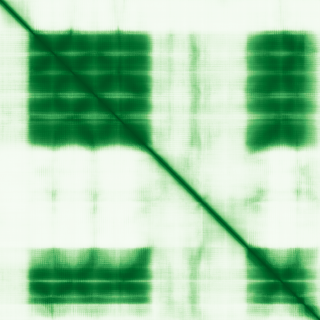
Mean pLDDT
66.7/ 100
Low
590 residues
Confidence breakdown
- Very high(≥ 90)32%
- Confident(70–90)22%
- Low(50–70)8%
- Very low(< 50)39%
Open interactive 3D viewer
AlphaFold (Jumper et al., 2021) · CC BY 4.0
cholinergic receptor muscarinic 3
Annotations refreshed 3 months ago.
Diagnostic Grade (Green)
CAKUT
BIALLELIC, autosomal or pseudoautosomalUnexplained kidney failure in young people
BIALLELIC, autosomal or pseudoautosomalUnexplained young onset end-stage renal disease - additional genes
BIALLELIC, autosomal or pseudoautosomalFetal anomalies
BIALLELIC, autosomal or pseudoautosomalprune belly syndrome
chronic obstructive pulmonary disease
gastrointestinal disease
Hyperhidrosis
seasonal allergic rhinitis
overactive bladder
asthma
Urinary incontinence
urgency urinary incontinence
pulmonary emphysema
Score is the Open Targets composite evidence score (0-1). Higher = stronger gene-disease association.
Muscarinic acetylcholine receptor M3
The muscarinic acetylcholine receptor mediates various cellular responses, including inhibition of adenylate cyclase, breakdown of phosphoinositides and modulation of potassium channels through the action of G proteins. Primary transducing effect is Pi turnover
Curated MONDO disease pages that list CHRM3 among their top associated genes.
CHRM3 · P20309
Mean pLDDT
66.7/ 100
Low
590 residues
Confidence breakdown
AlphaFold (Jumper et al., 2021) · CC BY 4.0