Skip to content
GenoLensGenoLens

CHRNA2

Chr 8p21.2

cholinergic receptor nicotinic alpha 2 subunit

MANE:
ENST00000407991.3

Annotations refreshed 9 hours ago.

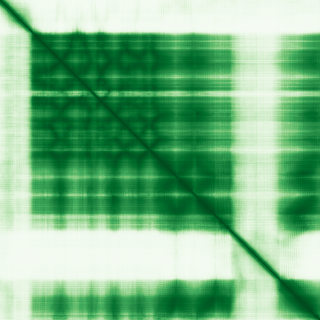
Predicted protein structure

Clinical relevance (Genomics England PanelApp)

Diagnostic Grade (Green)

  • DDG2P

    MONOALLELIC, autosomal or pseudoautosomal, imprinted status unknown
  • Early onset or syndromic epilepsy

    MONOALLELIC, autosomal or pseudoautosomal, NOT imprinted
  • Intellectual disability

    MONOALLELIC, autosomal or pseudoautosomal, imprinted status unknown

Disease associations (Open Targets)

  • autosomal dominant nocturnal frontal lobe epilepsy

    0.66
  • familial sleep-related hypermotor epilepsy

    0.47
  • sleep-related hypermotor epilepsy

    0.38
  • benign familial infantile epilepsy

    0.38
  • chronic obstructive pulmonary disease

    0.38
  • cervical carcinoma

    0.34
  • lung cancer

    0.31
  • Alzheimer disease

    0.29
  • pulmonary emphysema

    0.29
  • rheumatic disorder

    0.25

Score is the Open Targets composite evidence score (0-1). Higher = stronger gene-disease association.

Protein function (UniProt)

Neuronal acetylcholine receptor subunit alpha-2

Component of neuronal acetylcholine receptors (nAChRs) that function as pentameric, ligand-gated cation channels with high calcium permeability among other activities. nAChRs are excitatory neurotrasnmitter receptors formed by a collection of nAChR subunits known to mediate synaptic transmission in the nervous system and the neuromuscular junction. Each nAchR subunit confers differential attributes to channel properties, including activation, deactivation and desensitization kinetics, pH sensitivity, cation permeability, and binding to allosteric modulators (PubMed:18723036). CHRNA2 forms heteropentameric neuronal acetylcholine receptors with CHRNB2 and CHRNB4 and plays a role in nicotine dependence (PubMed:24467848, PubMed:27493220)

Data sources: HGNC (CC BY 4.0), AlphaFold (CC BY 4.0, Jumper et al. Nature 2021), Genomics England PanelApp (CC BY 4.0), ClinGen, Open Targets (CC0), UniProt.

Not for sole clinical decision-making. Always verify against primary sources.